Don’t just memorize PPE standards — read them on the product.
Explore EN/EN ISO markings on helmets, harnesses, connectors, eyewear, gloves, respirators, hearing protectors and footwear with classes, field checks and wrong-selection examples.
Turn “What is this code?” into “What does it mean on this product and what should I check in the field?”
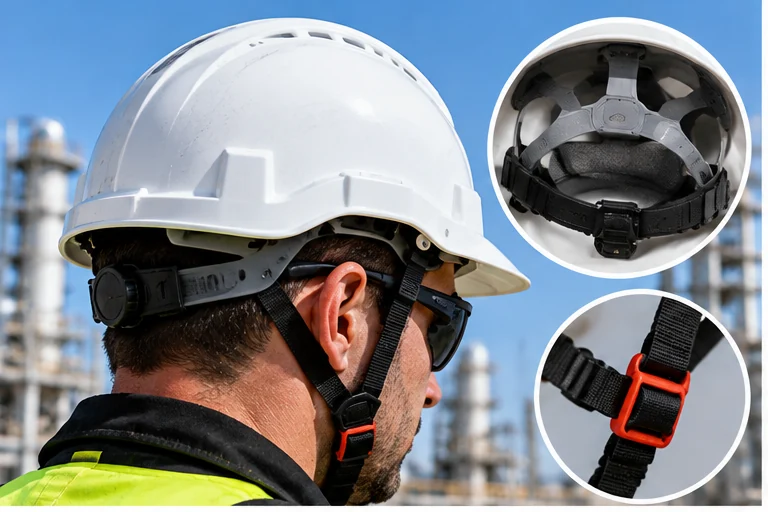
Industrial Protective Helmet Standard
Head protection
EN 397 covers design, impact/penetration performance, testing and marking requirements for industrial protective helmets. The current European edition is EN 397:2025 with its 2025 corrigendum.
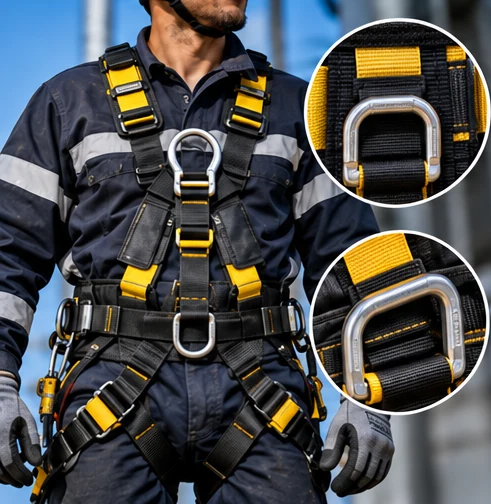
Full Body Harness Standard
Fall protection
Covers full body harnesses used in fall-arrest systems.
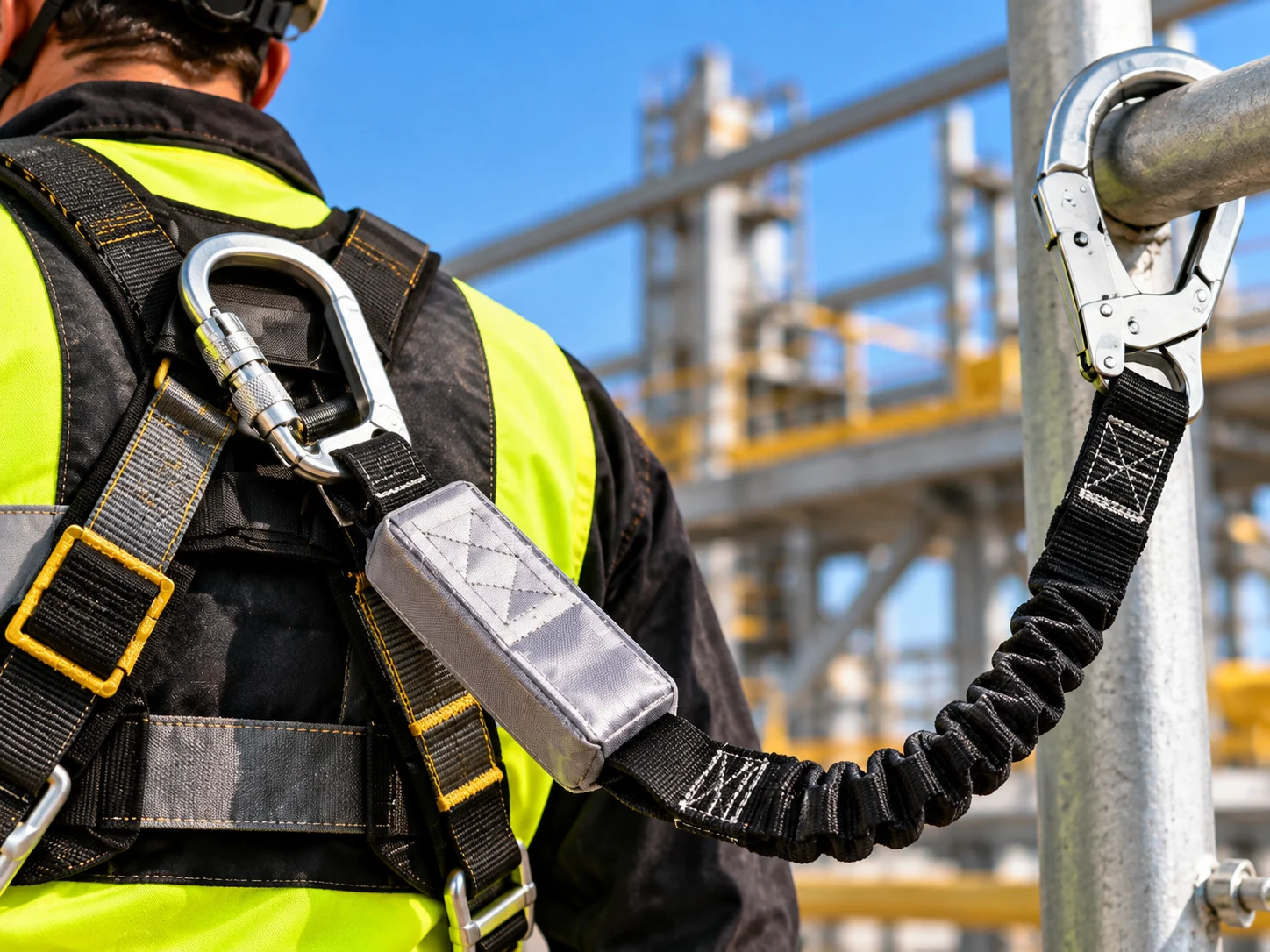
Energy Absorber Standard
Fall protection
EN 355 covers energy absorbers used in fall-arrest systems. An absorber may be integrated into a lanyard, anchor line or full-body harness, or used in combination with them.
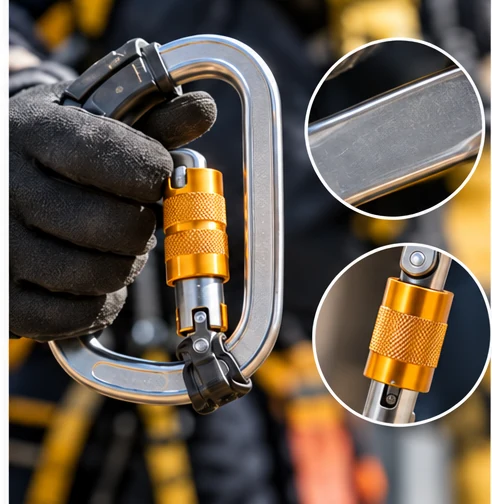
Connector and Carabiner Standard
Fall protection
Covers connectors used in personal fall-protection systems.
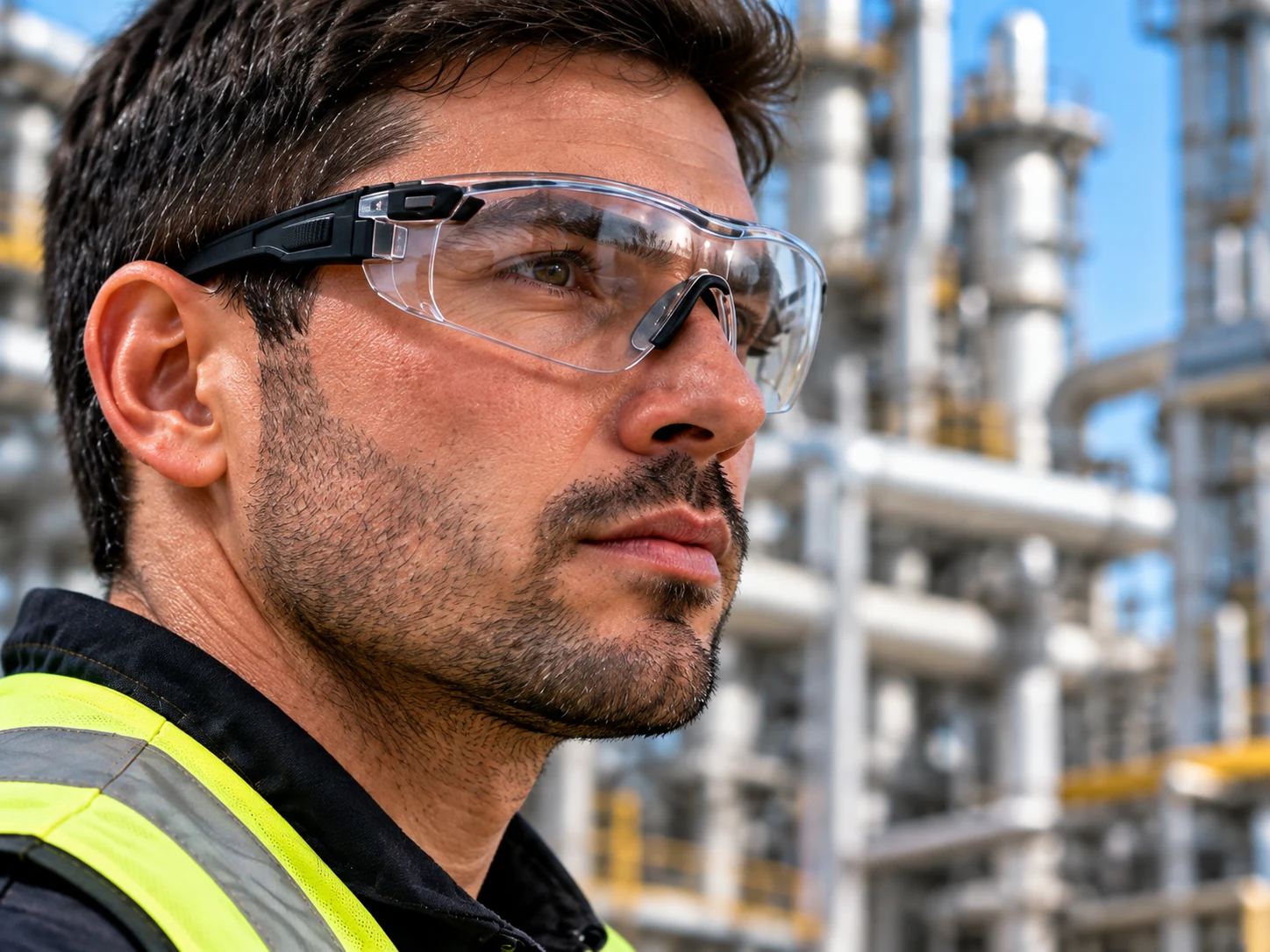
EN 166 Legacy Eye Protection Standard
Eye protection
EN 166:2001 is the legacy general performance and marking standard for personal eye protection. For new products/certification, the current main reference is the EN ISO 16321-1:2022+A1:2025 series.

Protective Gloves Against Mechanical Risks
Hand protection
Covers glove performance against mechanical risks including abrasion, blade cut, tear, puncture and, where applicable, impact.

Protective Gloves Against Chemicals Standards
Hand protection
EN ISO 374-1 covers classification for chemical risks, while EN ISO 374-5 addresses relevant requirements for micro-organism risks.
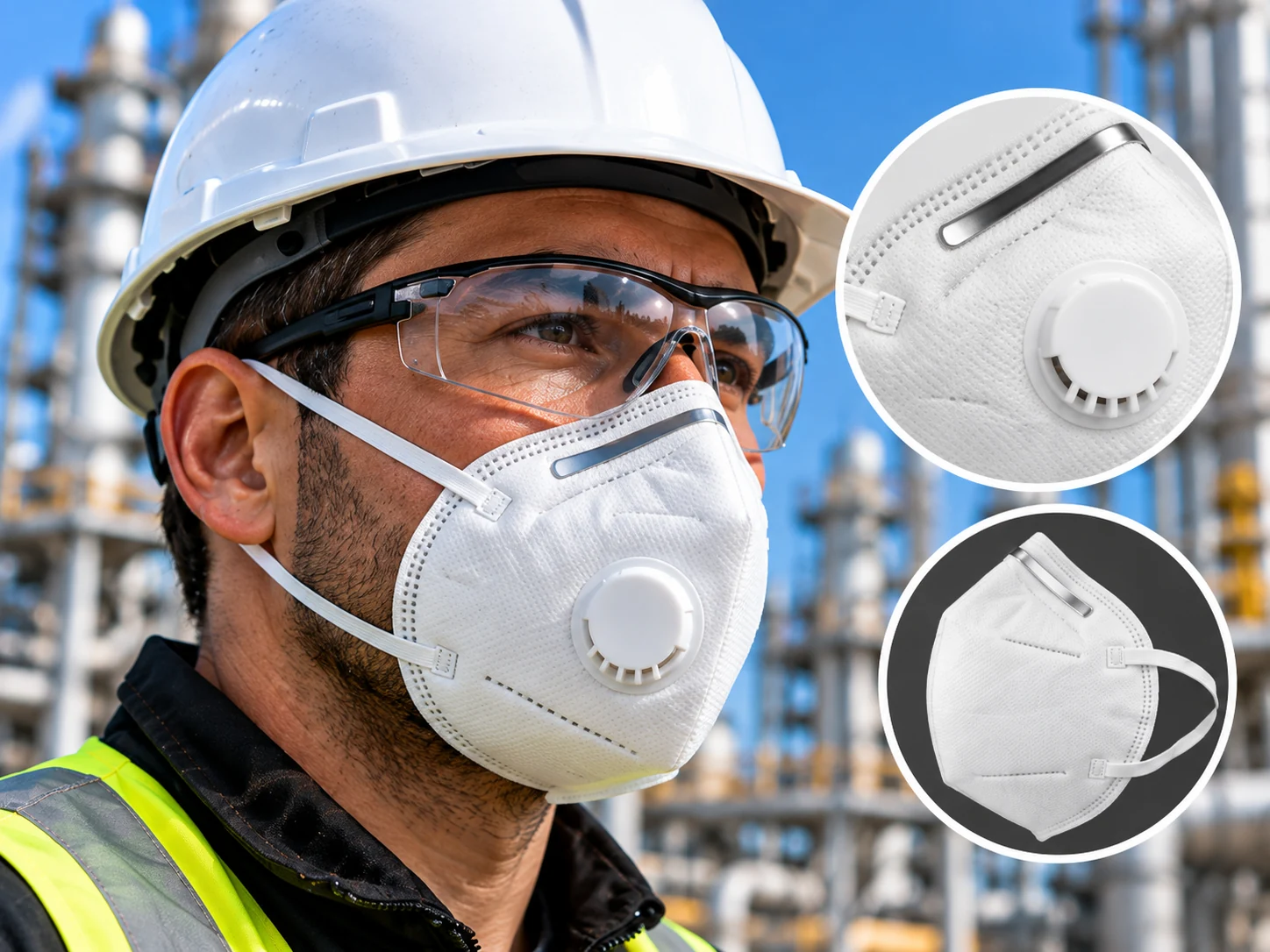
Filtering Half Mask Standard
Respiratory protection
EN 149:2001+A1:2009 covers FFP1/FFP2/FFP3 performance classes for filtering half masks against particles; it is not a gas/vapour filter standard.
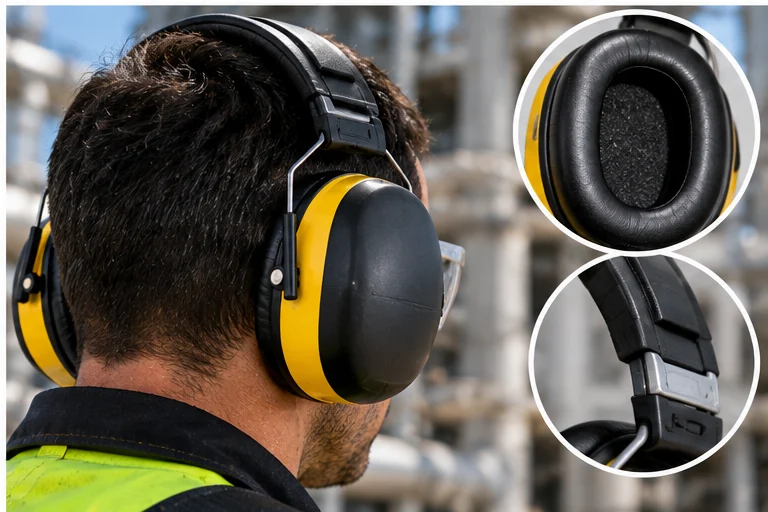
EN 352 Hearing Protector Standards Series
Hearing protection
The EN 352 series contains different parts for earmuffs, earplugs, mounted earmuffs and electronic/special hearing protectors according to product type.
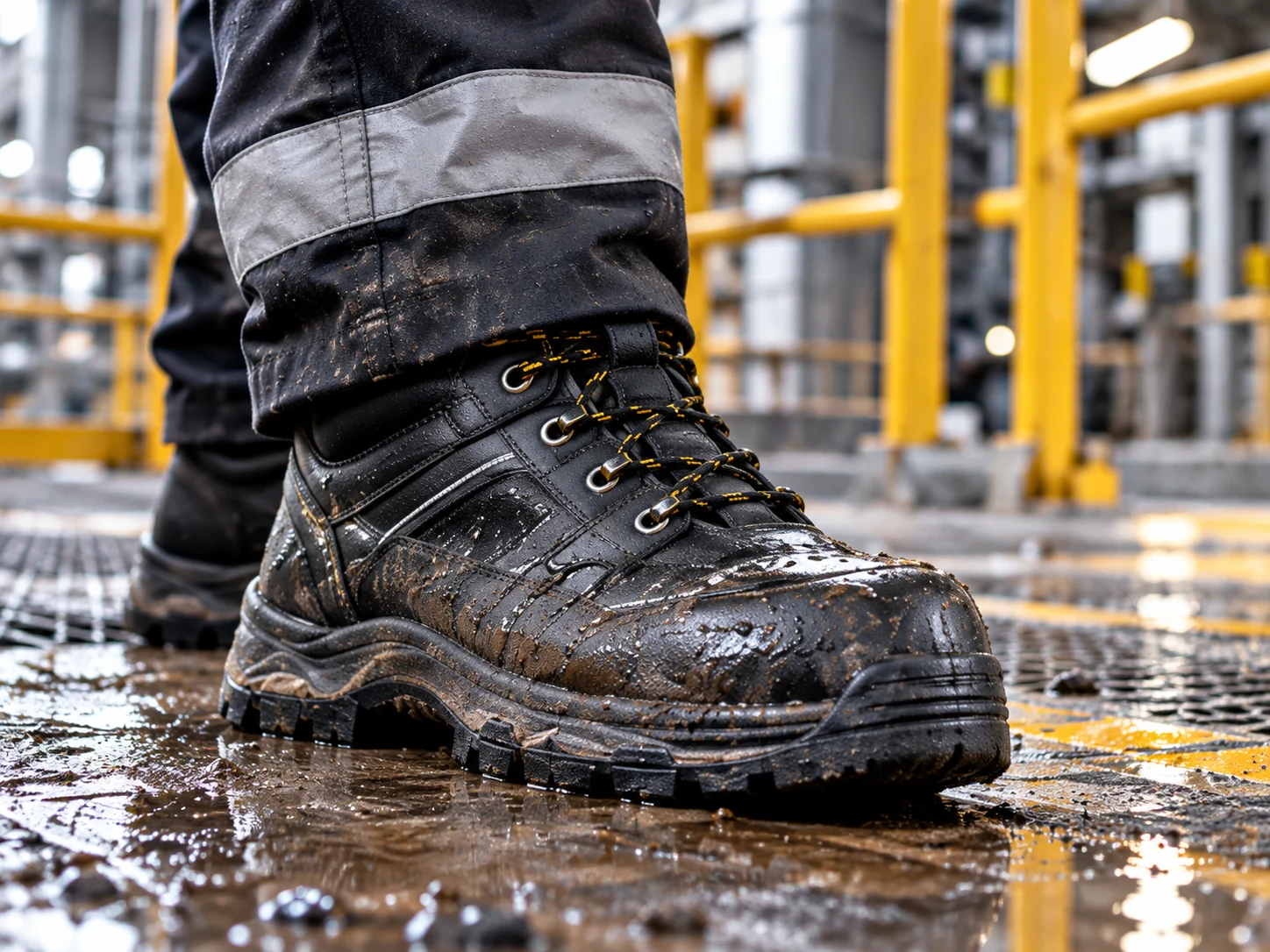
Safety Footwear Standard
Foot protection
EN ISO 20345:2022+A1:2024 covers basic and additional/optional protective properties of general-purpose safety footwear; complementary standards may be required for special risks.

Protective Gloves General Requirements Standard
Hand protection
EN ISO 21420 covers general requirements for protective glove design and construction, innocuousness, comfort/efficiency, marking and manufacturer information. ISO 21420:2020 was reconfirmed in 2025 and has a published 2022 amendment.

Protective Gloves Against Thermal Risks Standard
Hand protection
EN 407:2020 specifies requirements, testing, marking and user information for protective gloves and other hand protection against heat and/or fire, and is used together with EN ISO 21420.
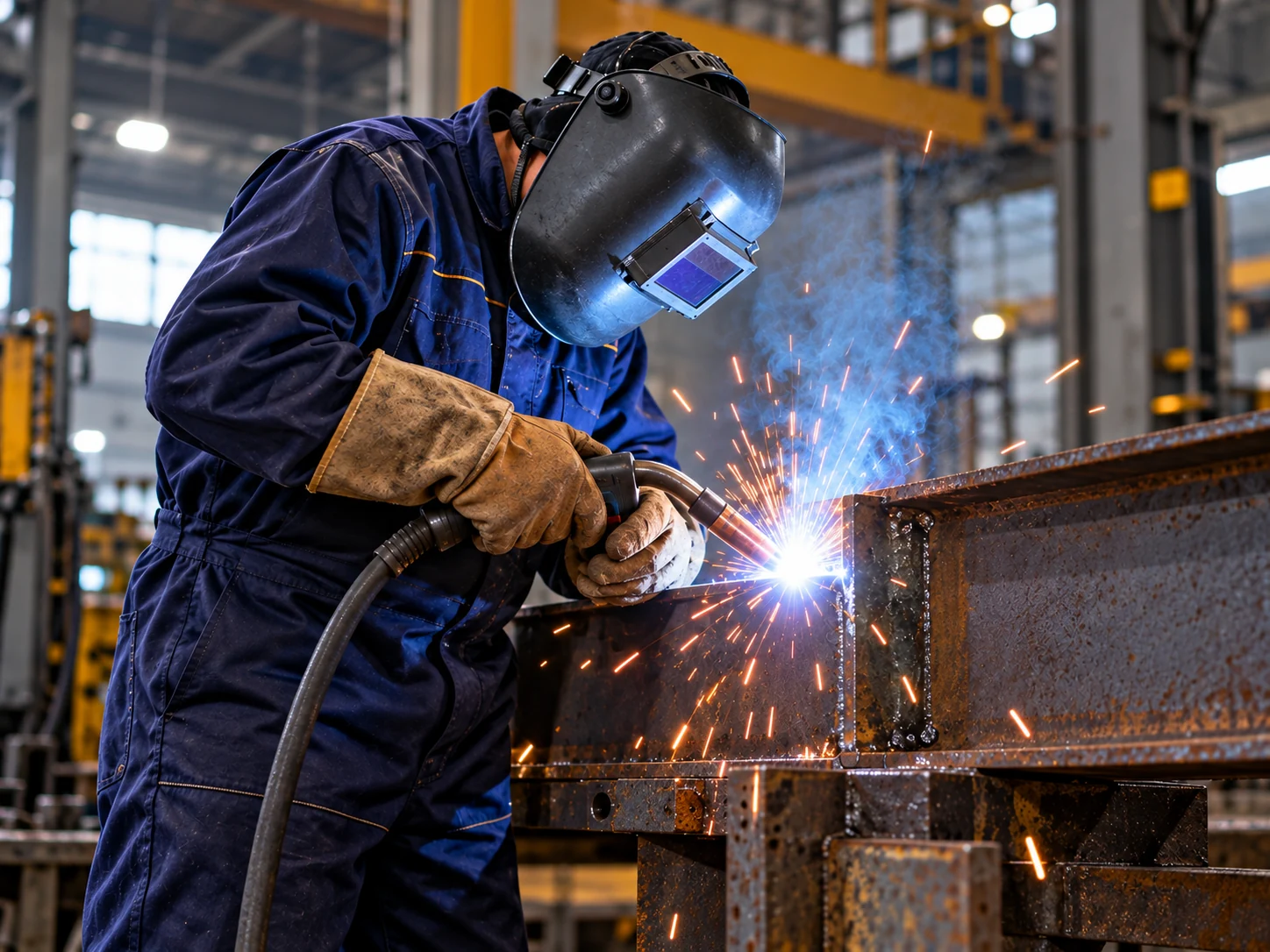
Protective Clothing for Welding and Allied Processes
Protective clothing
EN ISO 11611 specifies minimum safety requirements and test methods for protective clothing used during welding and allied processes. The current ISO edition is ISO 11611:2024; a subsequent revision is under development.
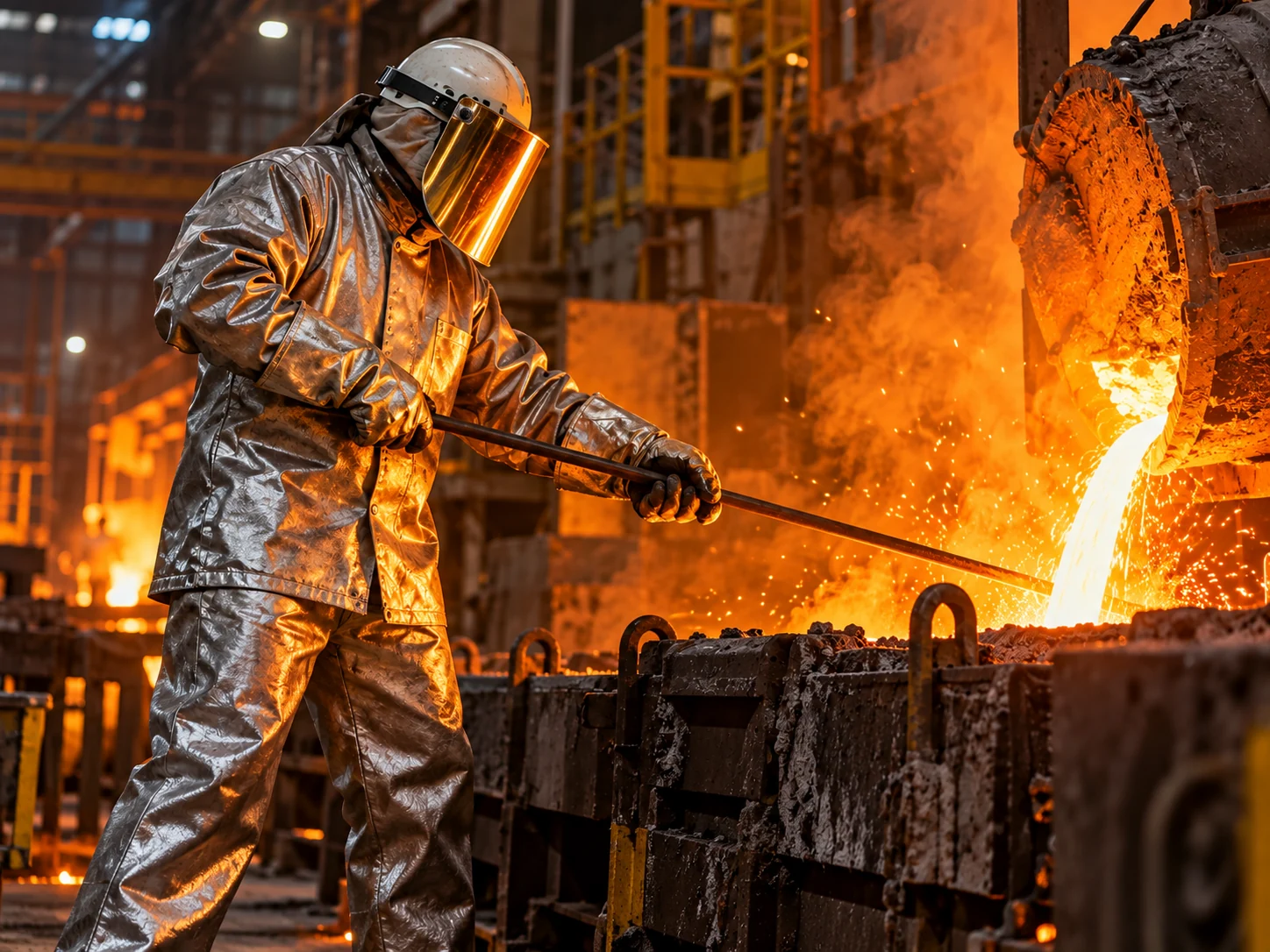
Protective Clothing Against Heat and Flame
Protective clothing
EN ISO 11612 specifies minimum performance requirements for protective clothing against heat and/or flame. ISO 11612:2015 remains the published current edition while a new edition is at final-draft stage.

High Visibility Clothing Standard
Protective clothing
EN ISO 20471:2013+A1:2016 specifies requirements for high-visibility clothing intended to make the wearer conspicuous to vehicle and mechanized-equipment operators in daylight and under headlights in darkness. The current edition remains valid while a revision is under development.

Protective Clothing Against Electric Arc Thermal Hazards
Protective clothing
EN IEC 61482-2 specifies requirements for materials and garments protecting electrical workers against the thermal hazards of an electric arc. It does not cover electric-shock hazards.

Electrostatic Protective Clothing Standard
Protective clothing
EN 1149-5:2018 specifies material-performance and design requirements for electrostatic protective clothing intended to reduce electrostatic charge and spark-ignition risk. It does not provide protection against mains voltage.

Electrically Insulating Helmet Standard
Head protection
EN 50365:2023 covers electrically insulating helmets for live working on low- and medium-voltage installations. The current European edition includes the 2024 corrigendum.

Insulating Gloves for Live Working Standard
Hand protection
EN 60903 covers insulating gloves and mitts for live working. It distinguishes insulating gloves providing electrical protection from composite gloves providing electrical and mechanical protection.
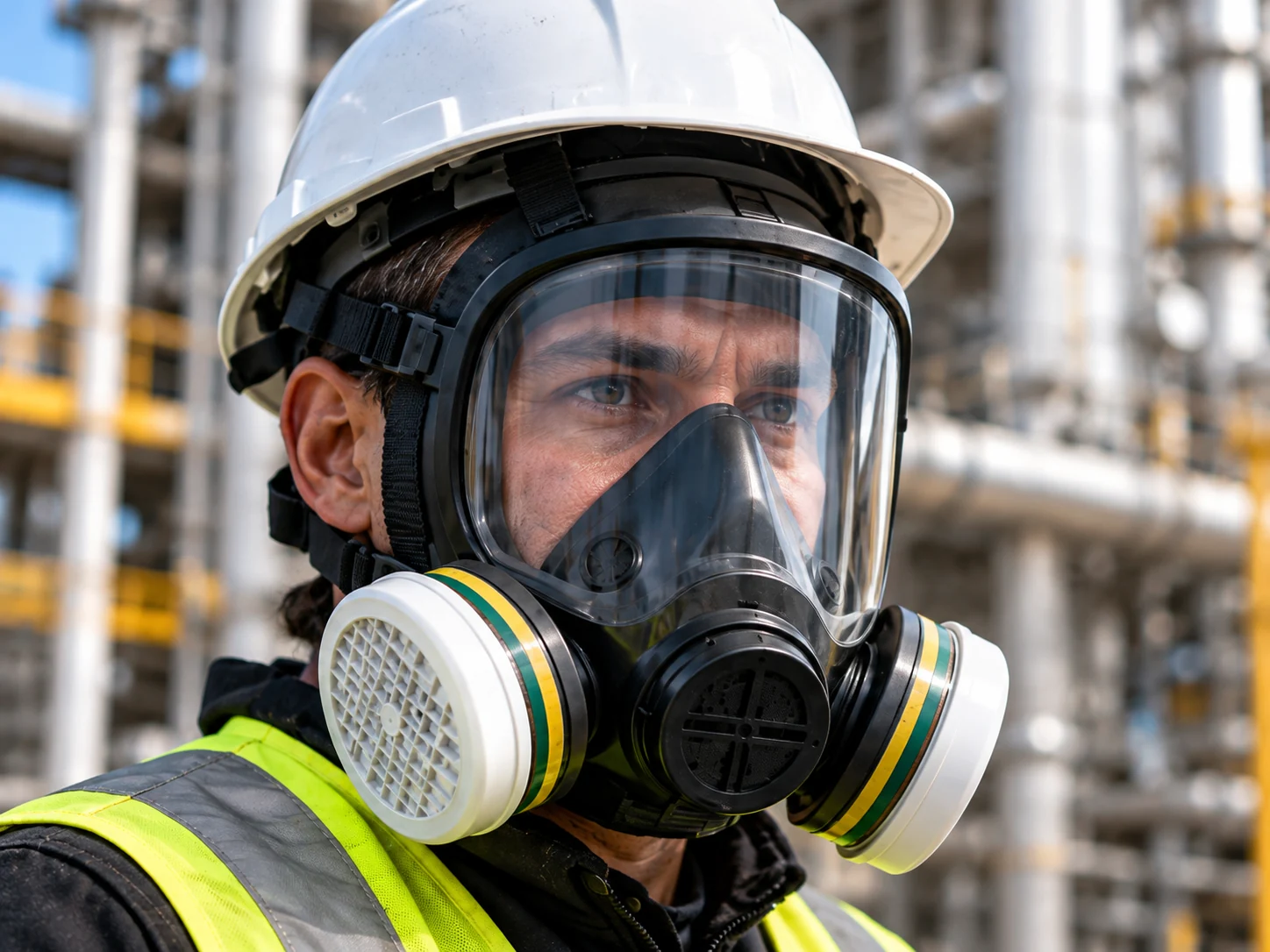
Full Face Mask Respiratory Standard
Respiratory protection
EN 136:1998 covers requirements, testing and marking for full face masks used in respiratory protective devices. BSI currently lists the edition as current and under review.
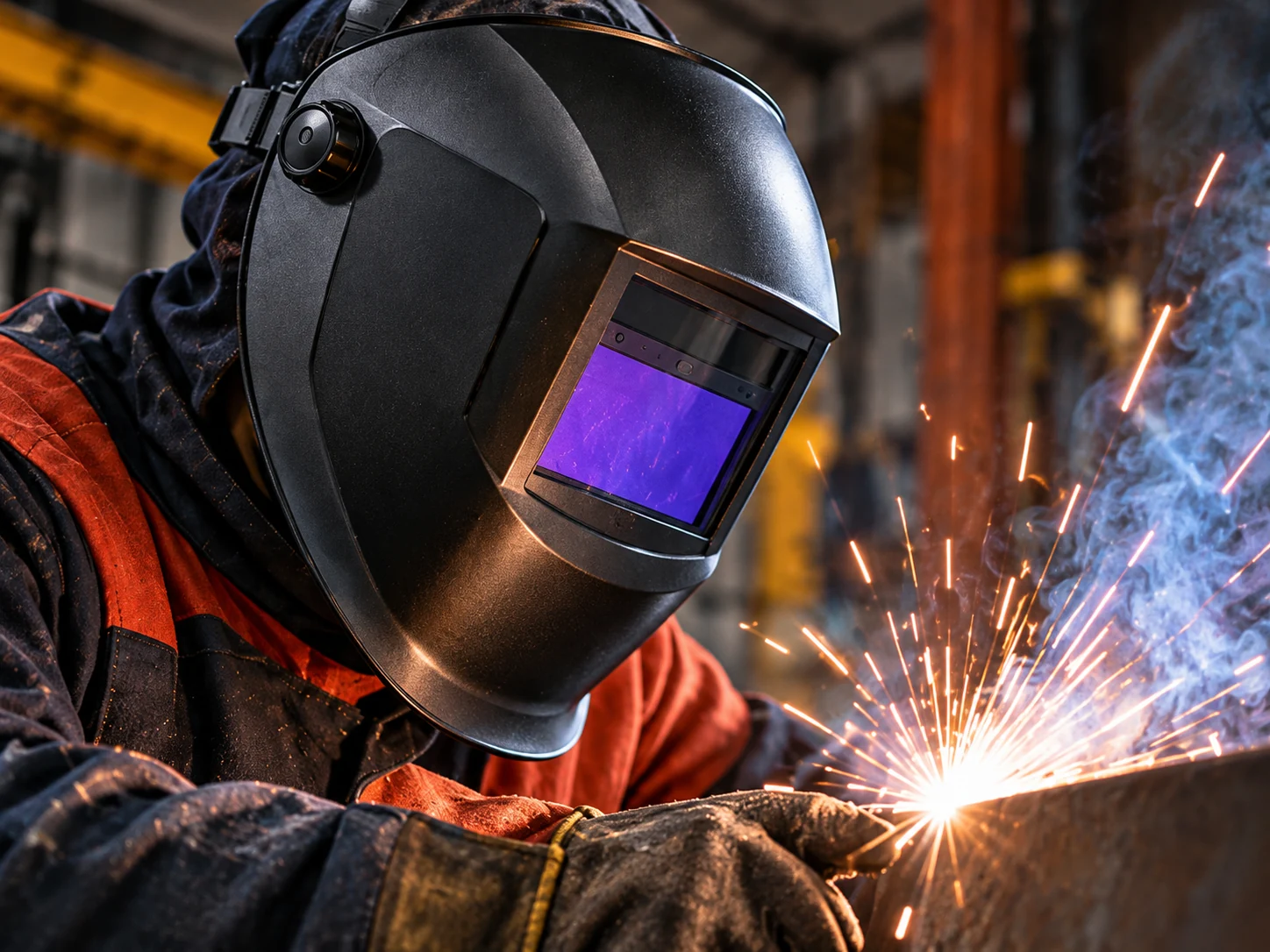
Welding Eye and Face Protection Equipment Standard
Eye protection
EN 175:1997 covers material, design and performance requirements for eye and face protective equipment used during welding, cutting and related processes. BSI still lists it as current/under review; filter selection and current welding-protector requirements must also be verified.
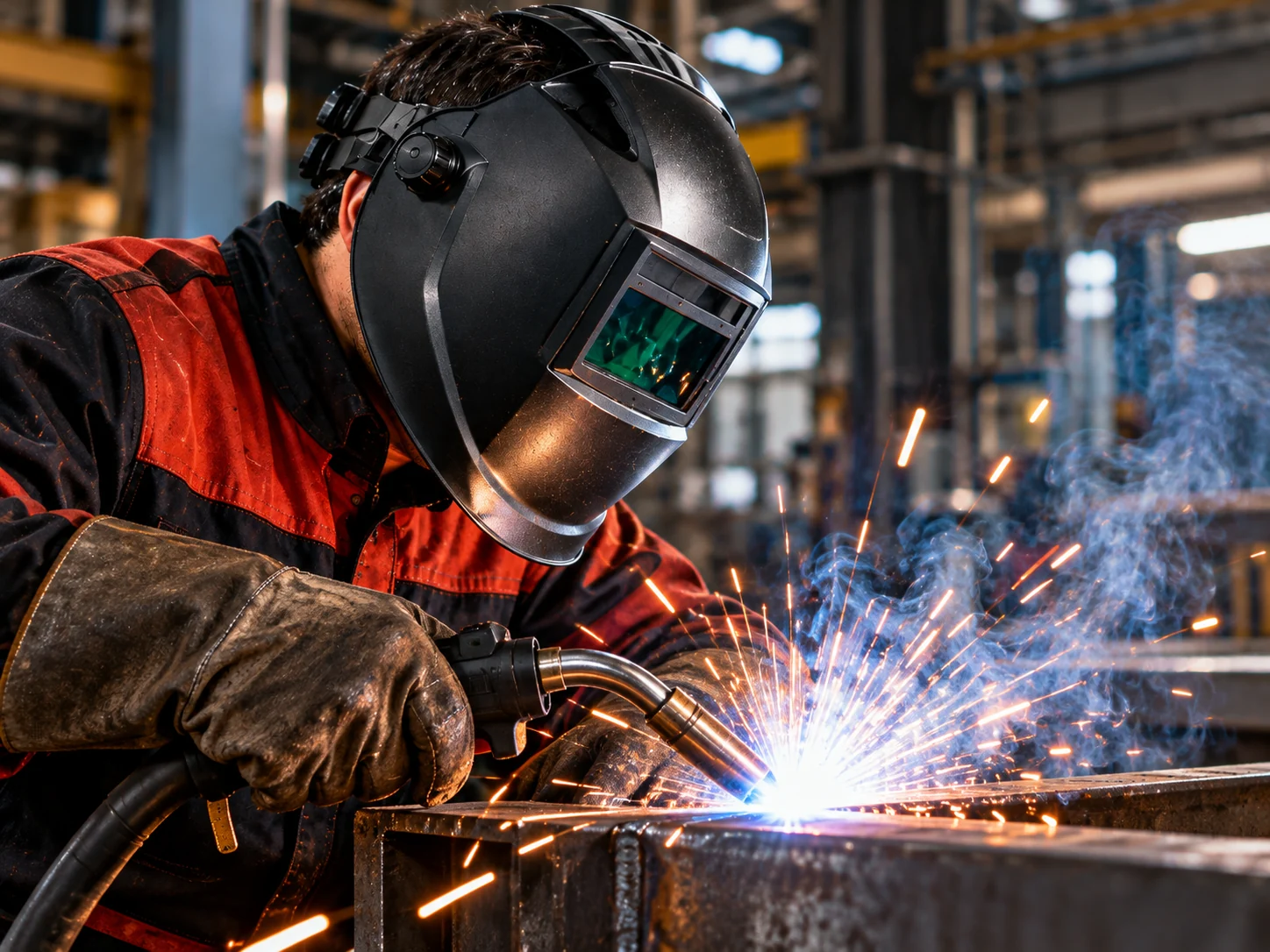
EN 169 Legacy Welding Filter Reference
Eye protection
EN 169:2002 is a legacy performance/transmittance reference for welding filters. BSI lists EN 169:2002 among withdrawn standards replaced by the EN ISO 16321 suite; EN ISO 16321-2 is the current main reference for new welding protectors.
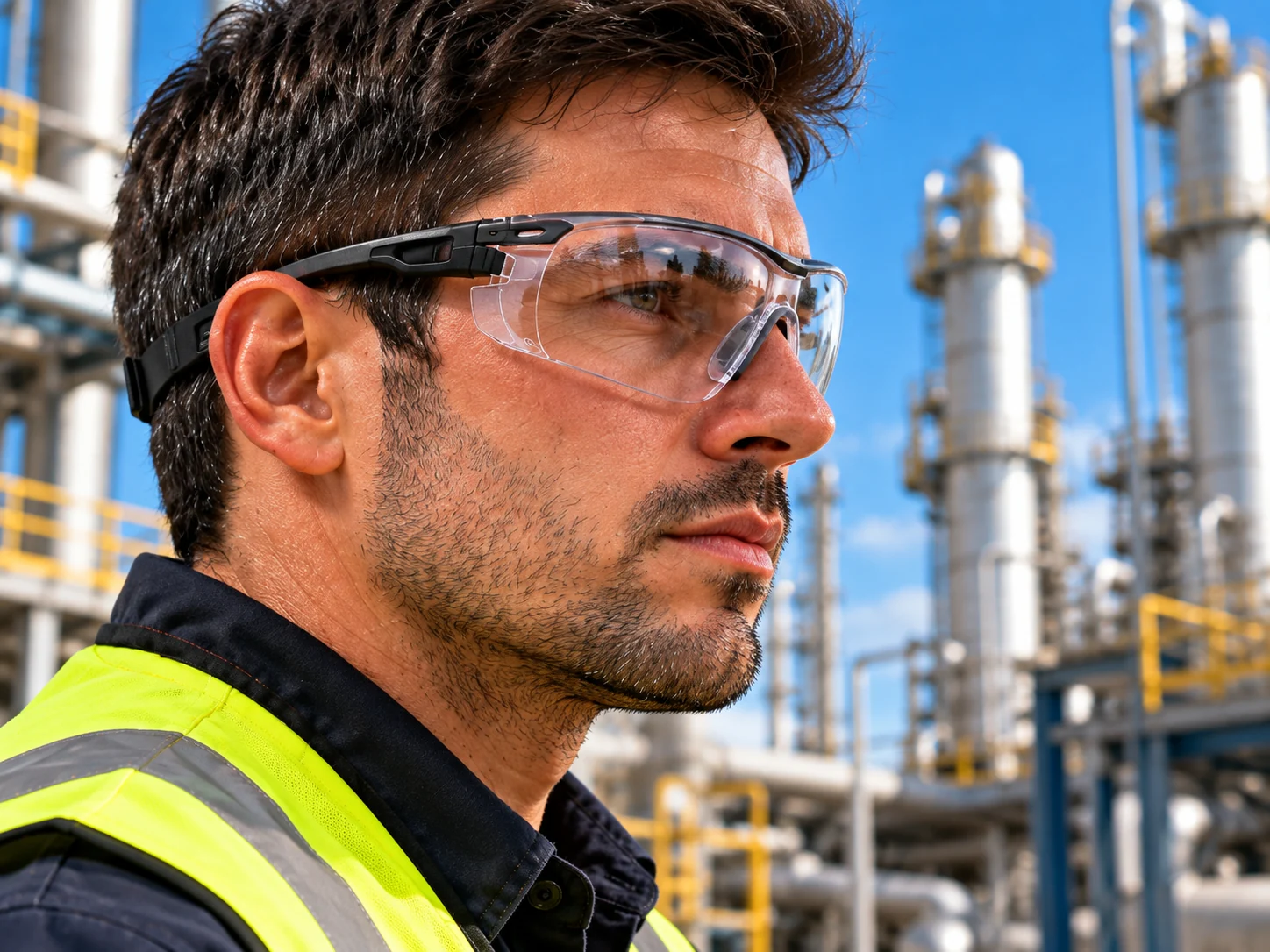
EN 170 Legacy Ultraviolet Filter Reference
Eye protection
EN 170:2002 is the legacy transmittance and marking reference for ultraviolet filters in occupational eye protection. It has been withdrawn; EN ISO 16321-1:2022+A1:2025 is the current general reference for new occupational eye/face protection.

EN 172 Legacy Industrial Sun-Glare Filter Reference
Eye protection
EN 172 is the withdrawn legacy European reference for sun-glare filters used occupationally. EN ISO 16321-1 is the current general reference for new occupational eye/face protectors; ordinary sunglasses must not be confused with occupational safety eyewear.
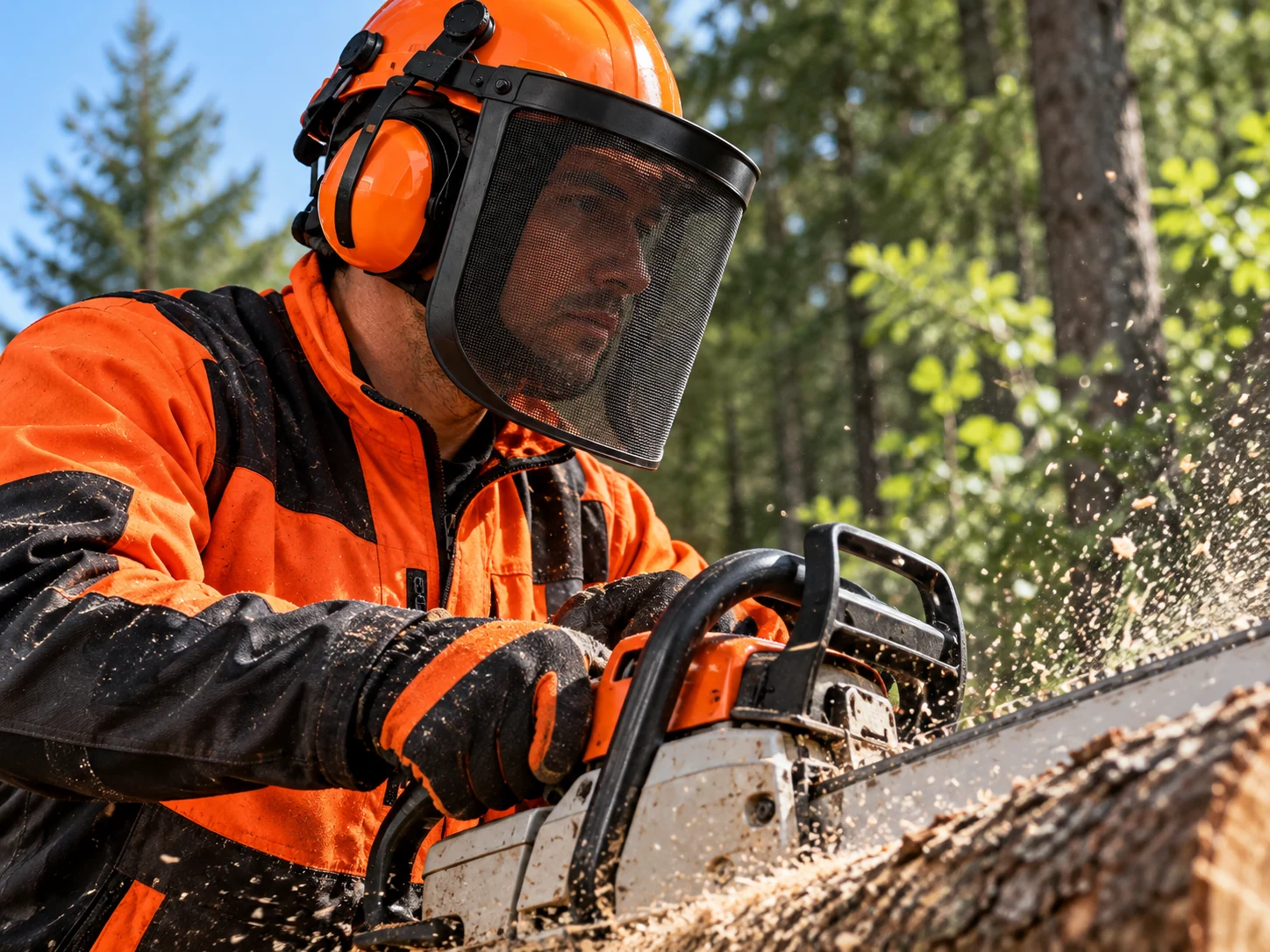
EN 1731 Legacy Mesh Eye and Face Protector Reference
Eye protection
EN 1731:2006 is the withdrawn legacy product standard for mesh eye and face protectors. The current reference is EN ISO 16321-3:2022+A1:2026, used with EN ISO 16321-1 for mesh protectors against mechanical particle hazards.
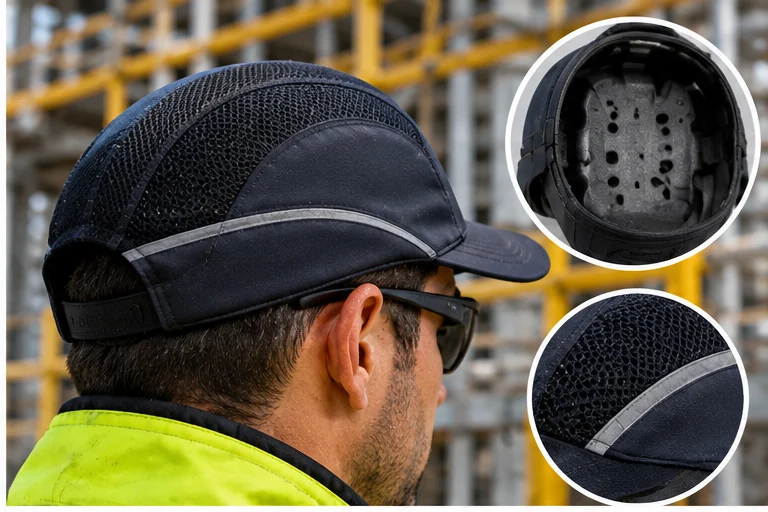
Industrial Bump Cap Standard
Head protection
EN 812:2012 covers industrial bump caps intended to protect against striking the head on hard stationary objects and resulting superficial injuries. It is not a substitute for an EN 397 helmet against falling or thrown objects.
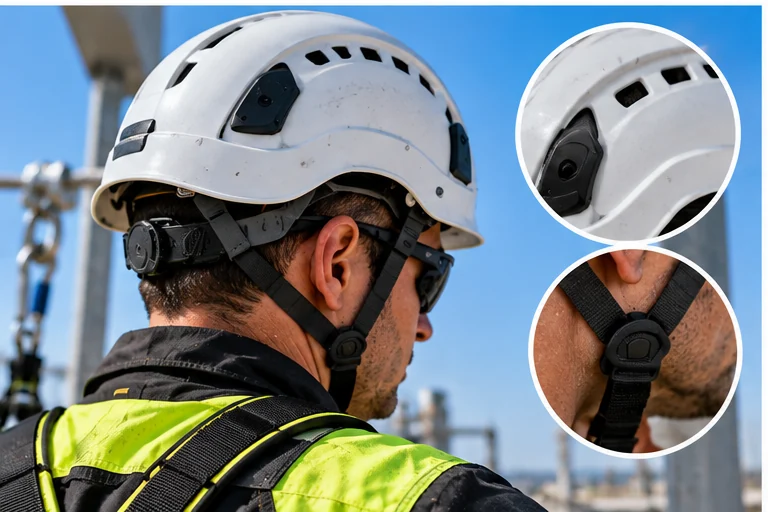
Mountaineering Helmet Standard
Head protection
EN 12492:2025 specifies safety requirements and test methods for helmets used in mountaineering and activities with similar hazards such as climbing, caving, via ferrata and rope courses. It must not automatically be treated as equivalent to EN 397 for workplace use.

Valved Filtering Half Mask Standard for Gases or Gases and Particles
Respiratory protection
EN 405:2001+A1:2009 specifies performance, testing and marking requirements for valved filtering half masks with integral gas or combined filters. It is not for oxygen-deficient atmospheres or escape devices.
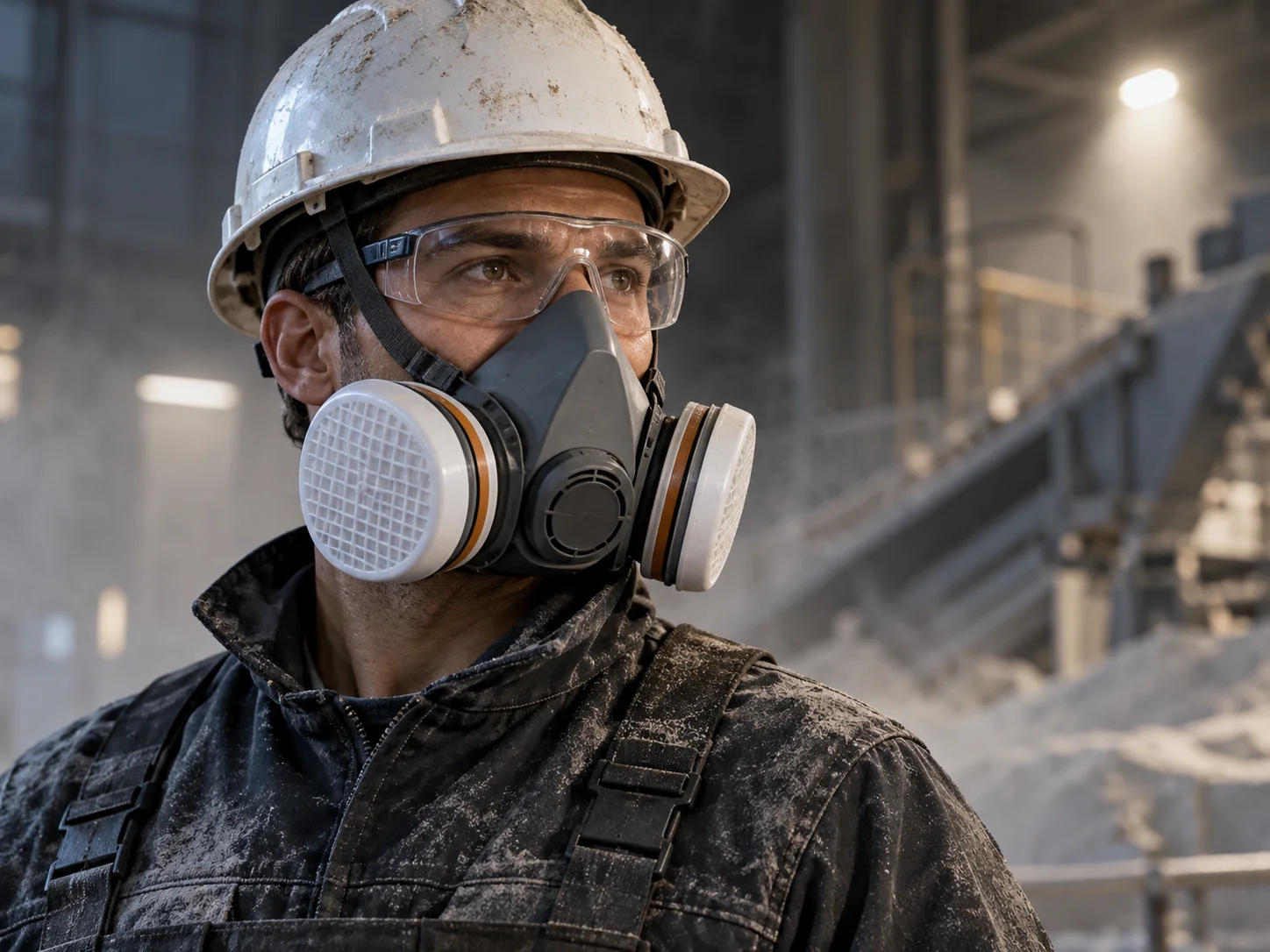
Respiratory Particle Filter Standard
Respiratory protection
EN 143:2021 specifies requirements, testing, classification and marking for replaceable particle filters used in respiratory protective devices. Particle filters do not protect against gases or vapours.
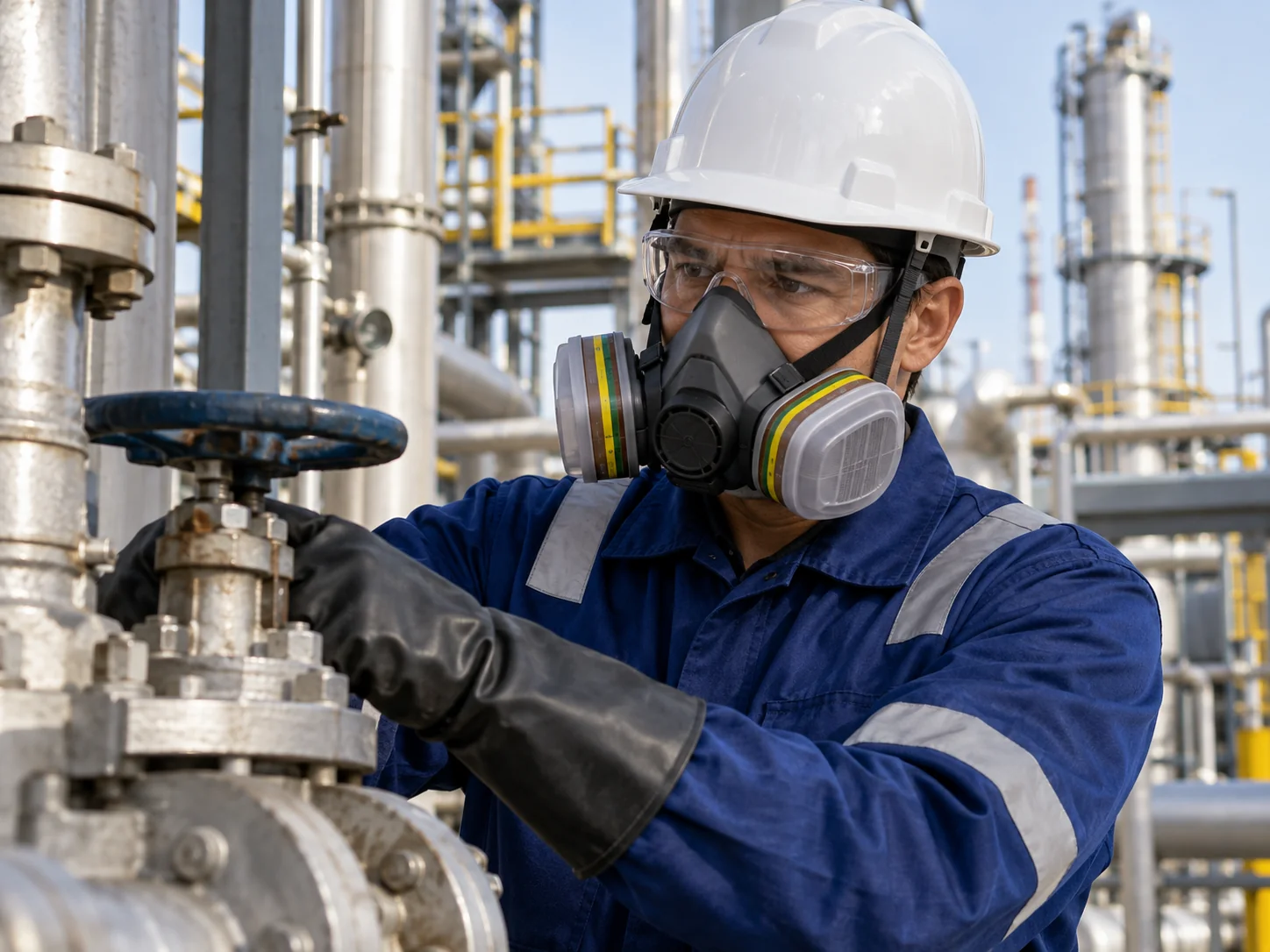
Gas and Combined Respiratory Filter Standard
Respiratory protection
EN 14387:2021 specifies requirements, classification, testing and marking for replaceable gas filters and combined filters used in unassisted respiratory protective devices. Filter selection depends on contaminant type and concentration.
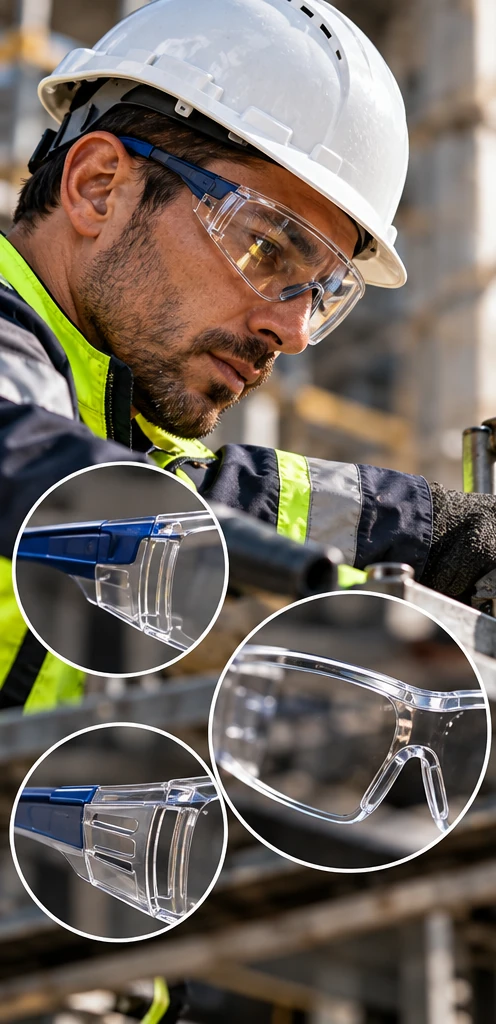
Occupational eye and face protection
Eye / face protection
General requirements for occupational eye and face protectors.
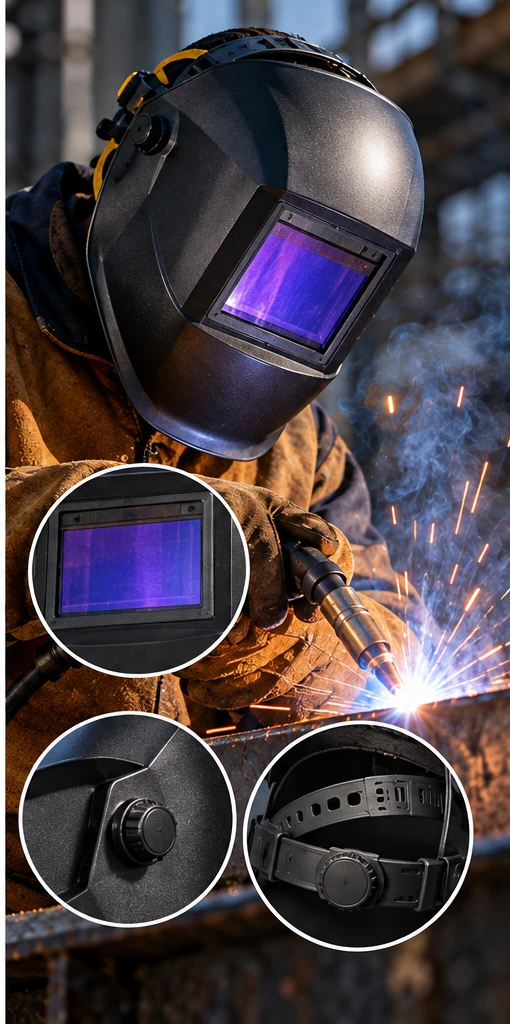
Eye and face protection for welding
Eye / face protection
Additional requirements for eye/face protectors for welding and related techniques.
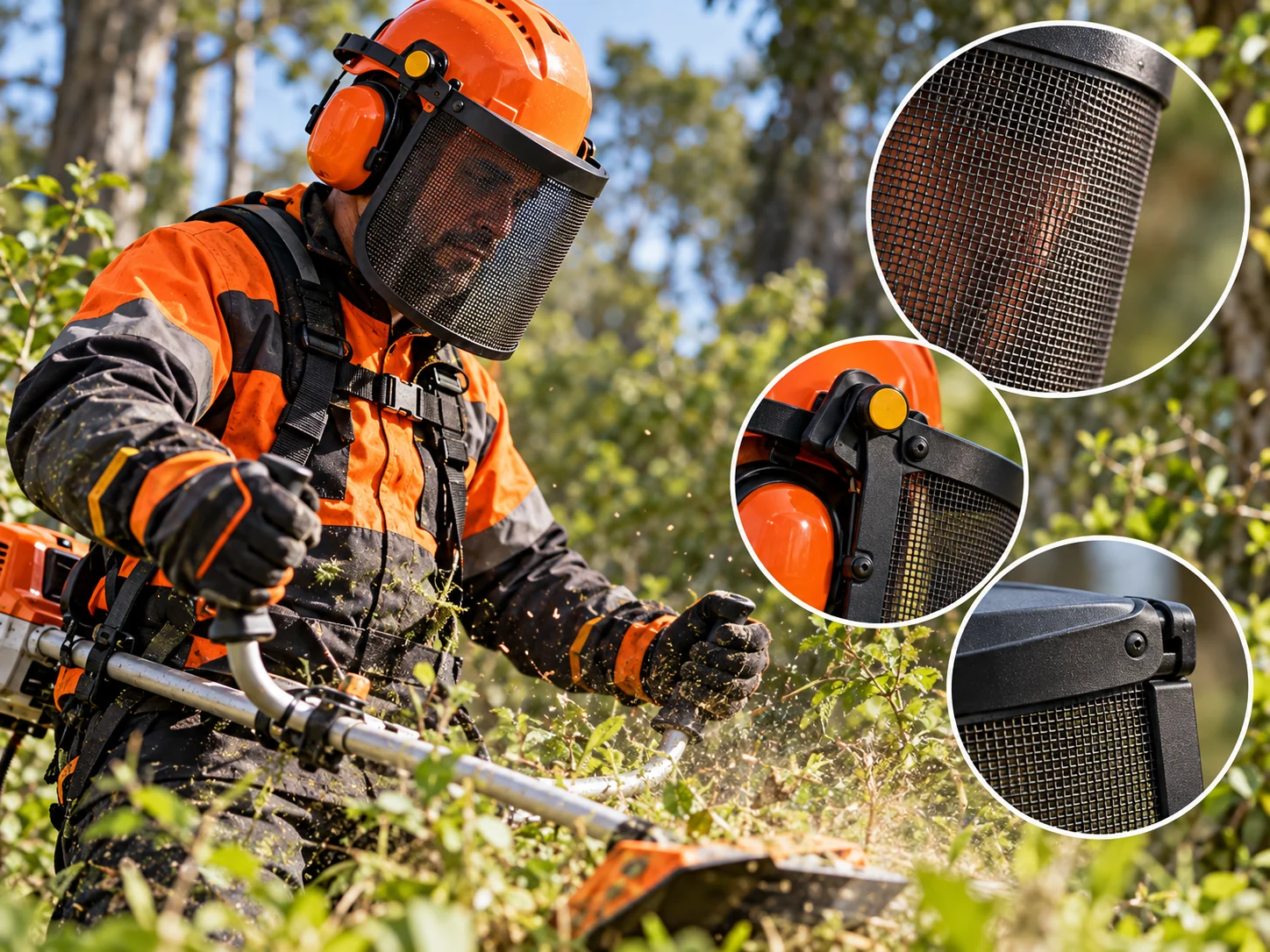
Mesh eye and face protectors
Eye / face protection
Specific requirements for mesh occupational eye and face protectors.
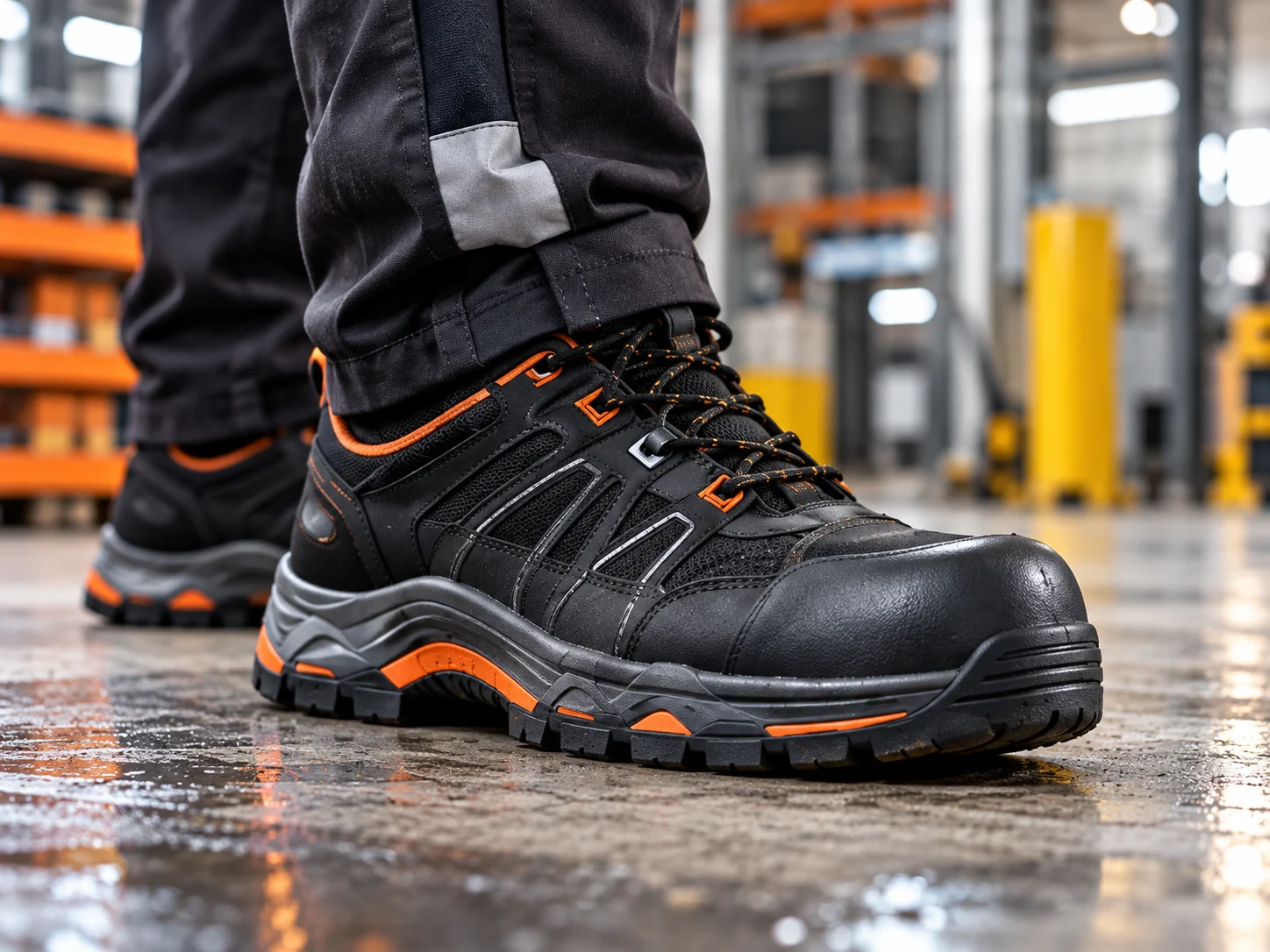
Protective footwear
Foot protection
Basic and additional performance requirements for general-purpose protective footwear.
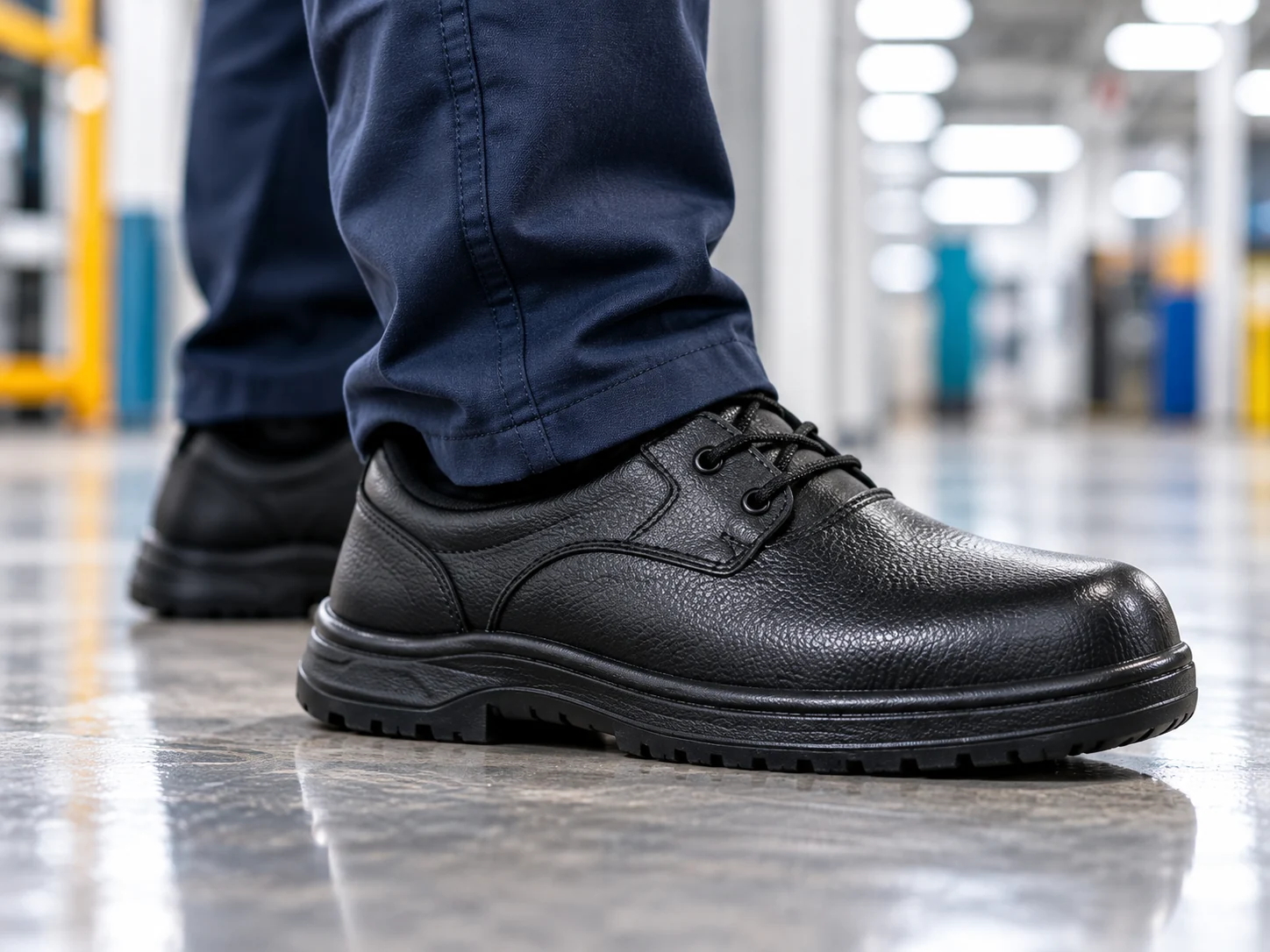
Occupational footwear
Foot protection
Mechanical, slip, thermal and ergonomic requirements for occupational footwear.

Protective clothing general requirements
Protective clothing
General protective clothing requirements for ergonomics, sizing, marking and manufacturer information.

Type 5 solid particle protective clothing
Protective clothing
Requirements for full-body chemical protective clothing against airborne solid particulates.
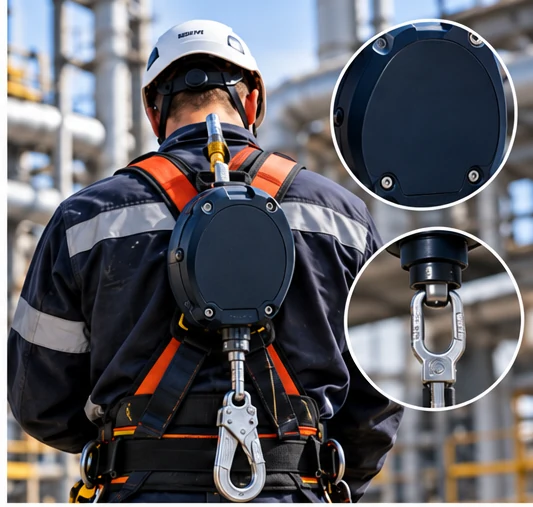
Retractable type fall arresters
Fall protection
Product requirements for retractable-type fall arresters.
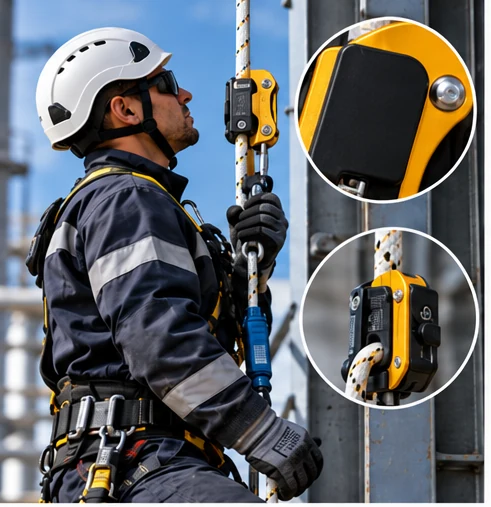
Guided type fall arresters on flexible lines
Fall protection
Guided-type fall arresters used on flexible anchor lines.
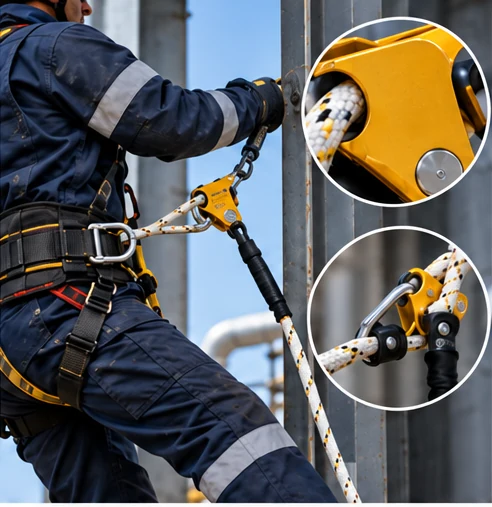
Work positioning belts and lanyards
Fall protection
Belts and lanyards for work positioning and restraint.
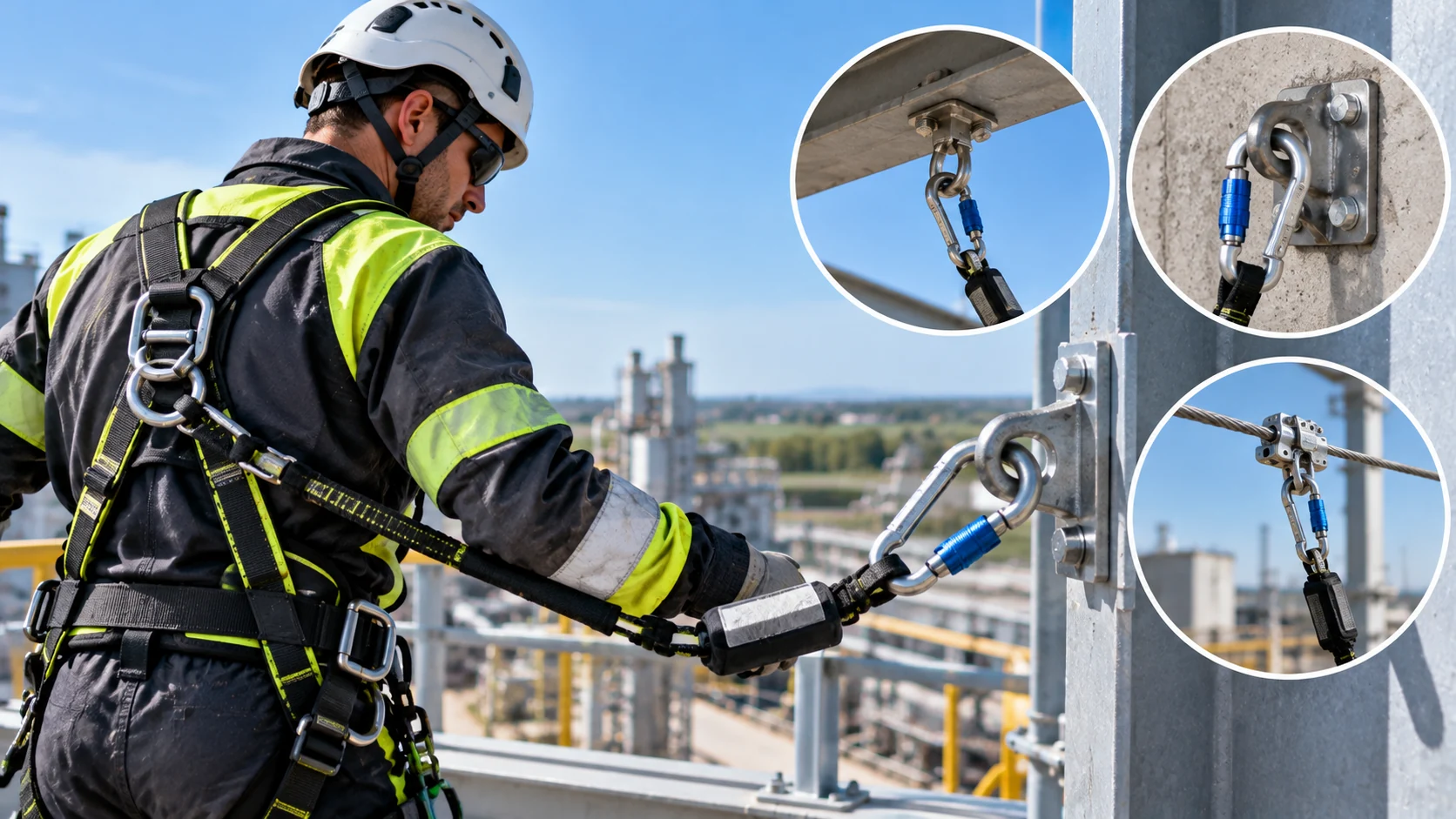
Anchor devices for fall protection
Fall protection
Requirements for anchor devices in personal fall protection systems.
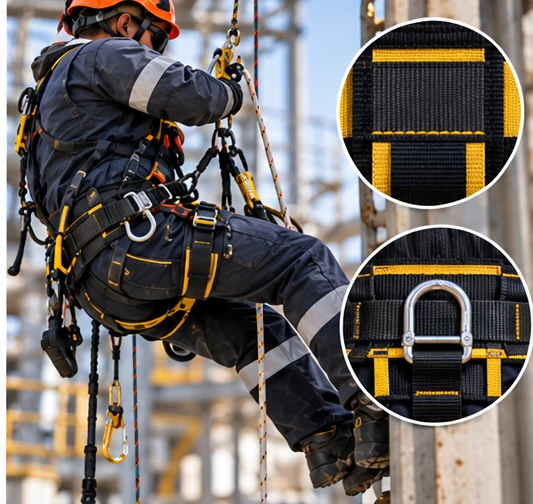
Sit harnesses
Fall protection
Requirements for sit harnesses with low attachment points.

Protective clothing against rain
Protective clothing
Performance requirements for protective clothing against precipitation.

Protective gloves against cold
Hand protection
Performance requirements for gloves against cold.

Type 6 limited chemical splash clothing
Protective clothing
Protective clothing offering limited protection against liquid chemicals.

Type 3/4 liquid protective clothing
Protective clothing
Chemical protective clothing against liquid jets or sprays.
Check in 4 steps in the field
A standards code is not a procurement decision by itself.
Risk assessment, performance class, actual product markings, manufacturer instructions, PPE compatibility and conditions of use must be verified together.