01
Purpose
EN 149:2001+A1:2009 covers FFP1/FFP2/FFP3 performance classes for filtering half masks against particles; it is not a gas/vapour filter standard.
Filtering Half Mask Standard
EN 149:2001+A1:2009 covers FFP1/FFP2/FFP3 performance classes for filtering half masks against particles; it is not a gas/vapour filter standard.
FFP1 / FFP2 / FFP3ClassNRSingle-shift useRReusableDDolomite testAlways verify the actual product label, manufacturer technical documentation and conformity markings.
EN 149:2001+A1:2009 covers FFP1/FFP2/FFP3 performance classes for filtering half masks against particles; it is not a gas/vapour filter standard.
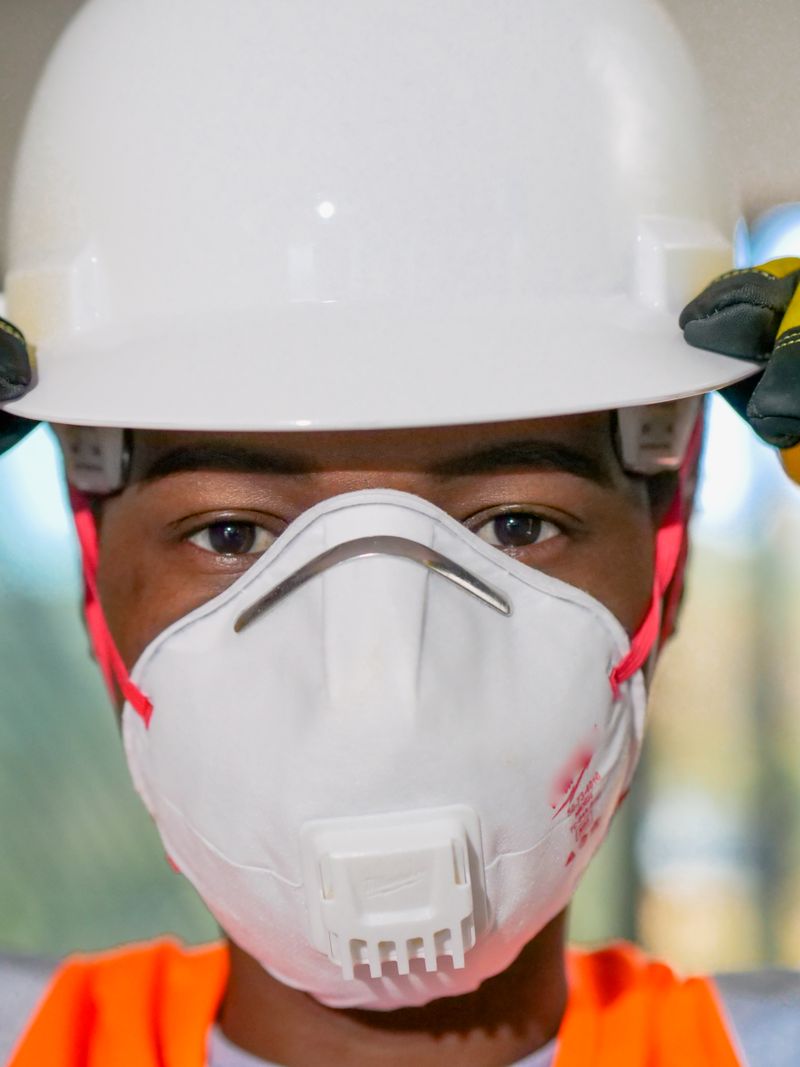
Tasks with dust/particle exposure where risk assessment requires suitable respiratory protection.
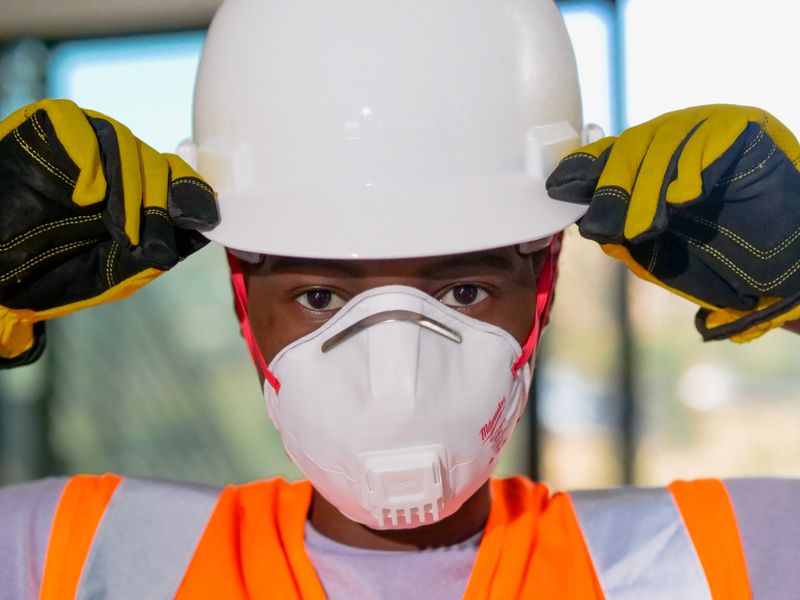
Check EN 149, FFP class and NR/R/D markings; select protection based on exposure assessment and face fit/seal.
A class code is not a selection decision by itself. Interpret it together with task-specific risk assessment and manufacturer data.
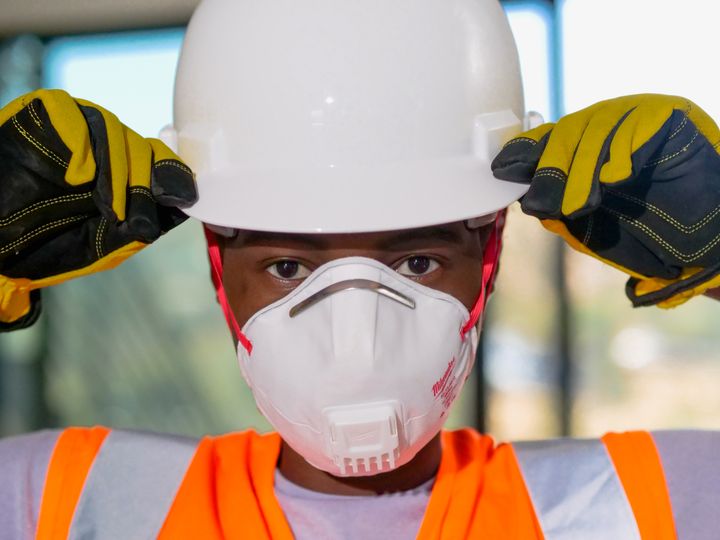
Lower particle-protection class within EN 149.
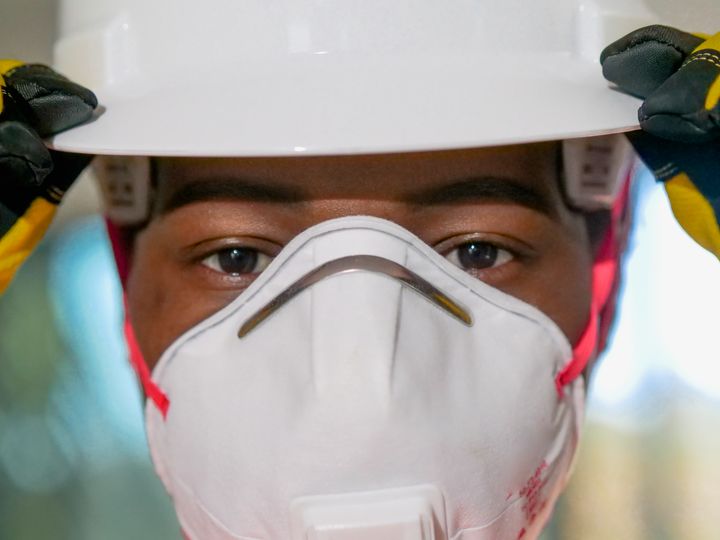
Intermediate particle-protection class within EN 149.
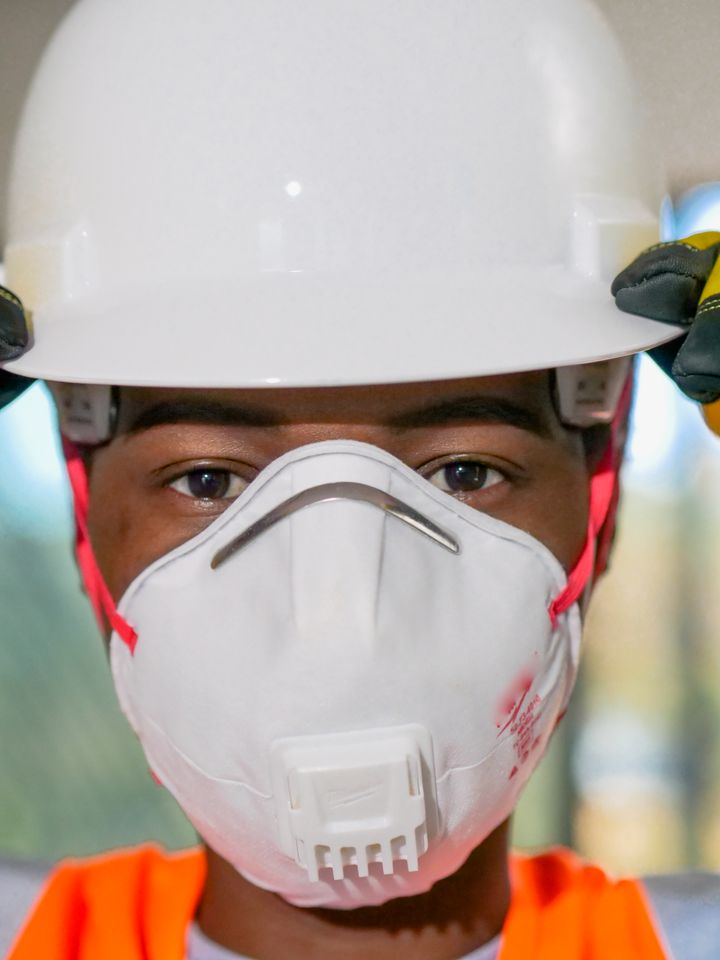
Highest particle-protection class within EN 149.
FFP1, FFP2 and FFP3 are particle-protection classes. Selection must consider exposure level, face seal/fit and manufacturer instructions.
EN 149 addresses particles; gas and vapour hazards require a separately selected suitable filter/respirator system.
FFP1 / FFP2 / FFP3ClassParticle-performance class of the filtering half mask.NRSingle-shift useNon-reusable classification limited to single-shift use.RReusableProduct classified as reusable.DDolomite testMark showing the product passed the dolomite dust clogging test.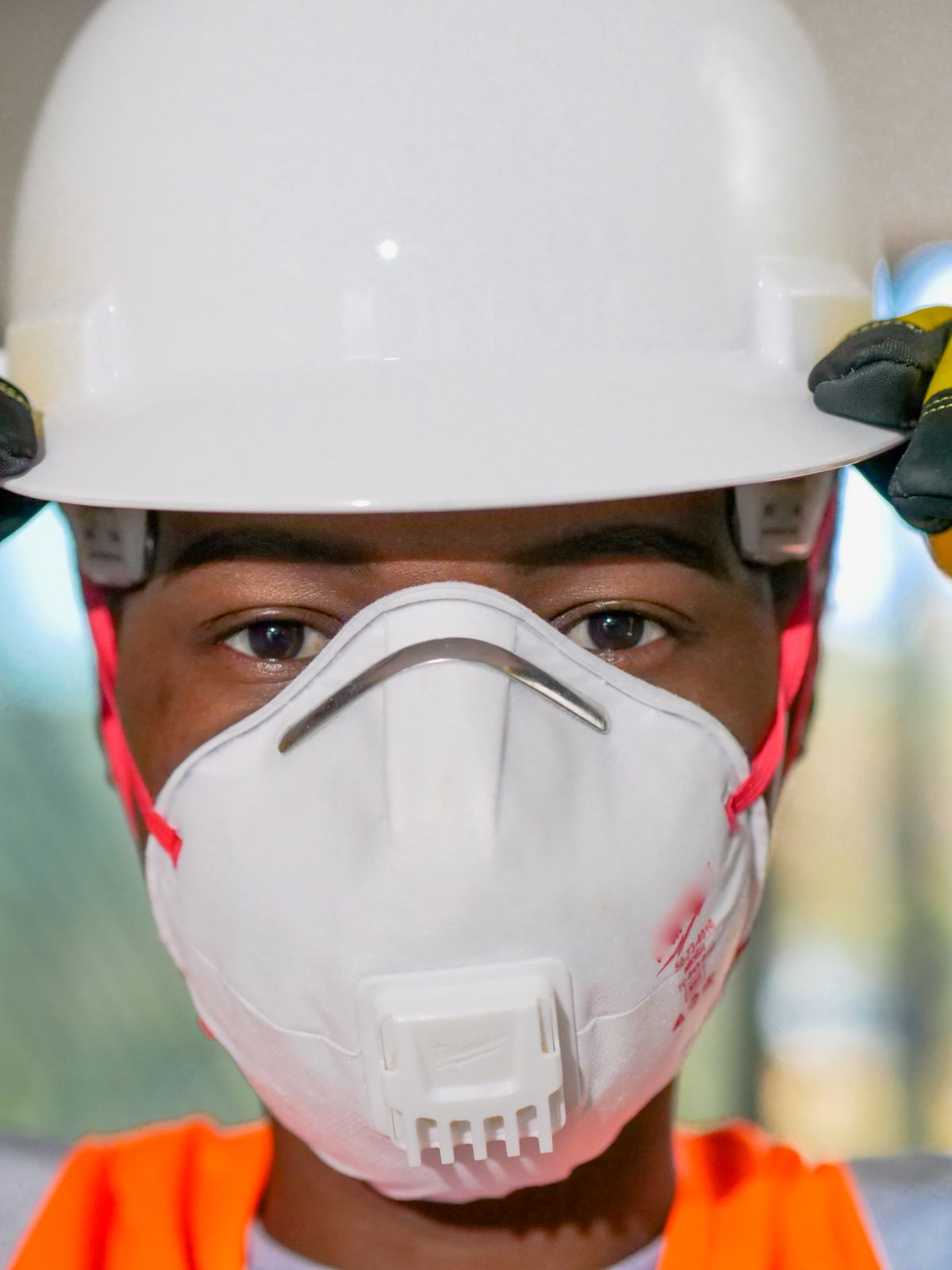
Location varies by manufacturer and design. These are the first places to check; final verification must use the actual product and manufacturer documentation.
The marking should be legible, durable and match the product.
The marking should be legible, durable and match the product.
The marking should be legible, durable and match the product.
EN 149:2001+A1:2009Filtering half masks against particles; still the current published edition
EN 143Replaceable particle filters are used in different respirator systems
EN 14387Gas/vapour filters address different hazards
FFP class is for particles; gas/vapour hazards such as solvent vapour require a suitable respirator/filter system.
EN 149 FFP classes address particle hazards.
Identify whether the hazard is particle or gas/vapour and verify the suitable respirator, filter and face-fit/seal requirements.
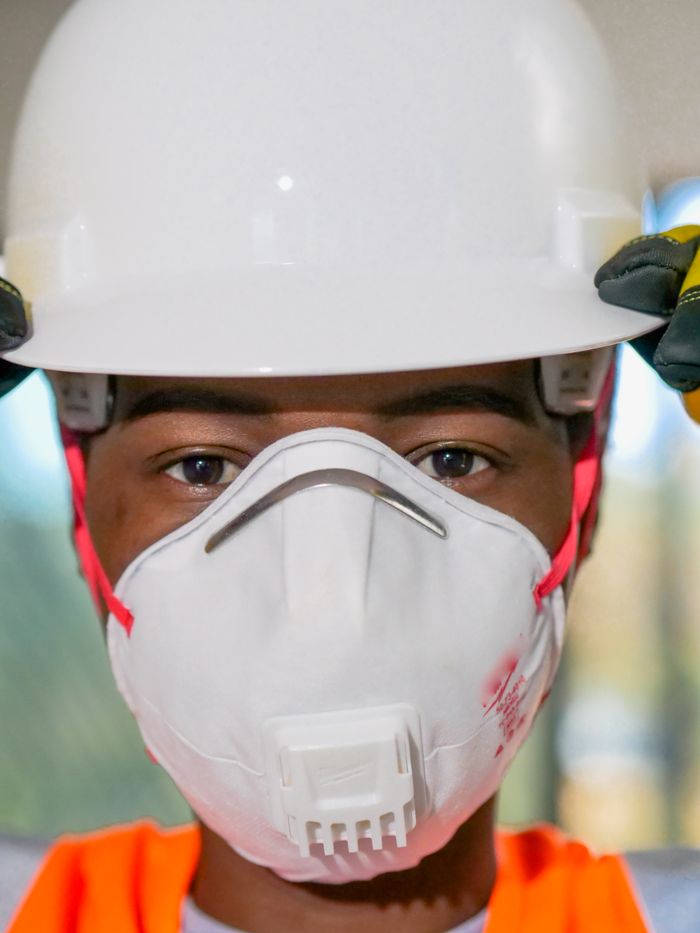
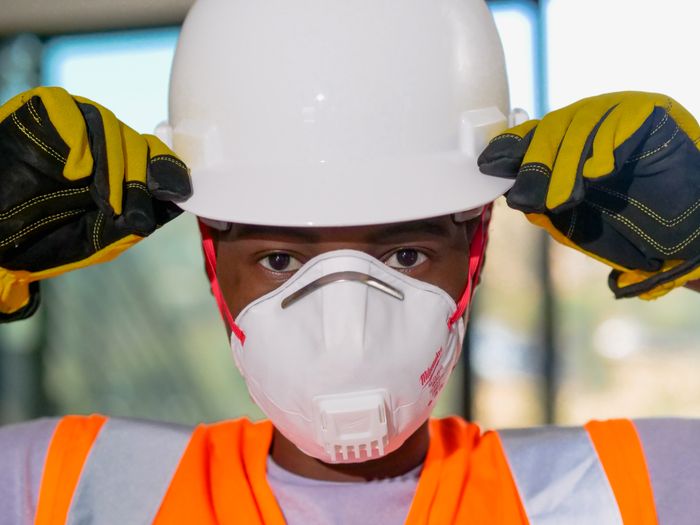
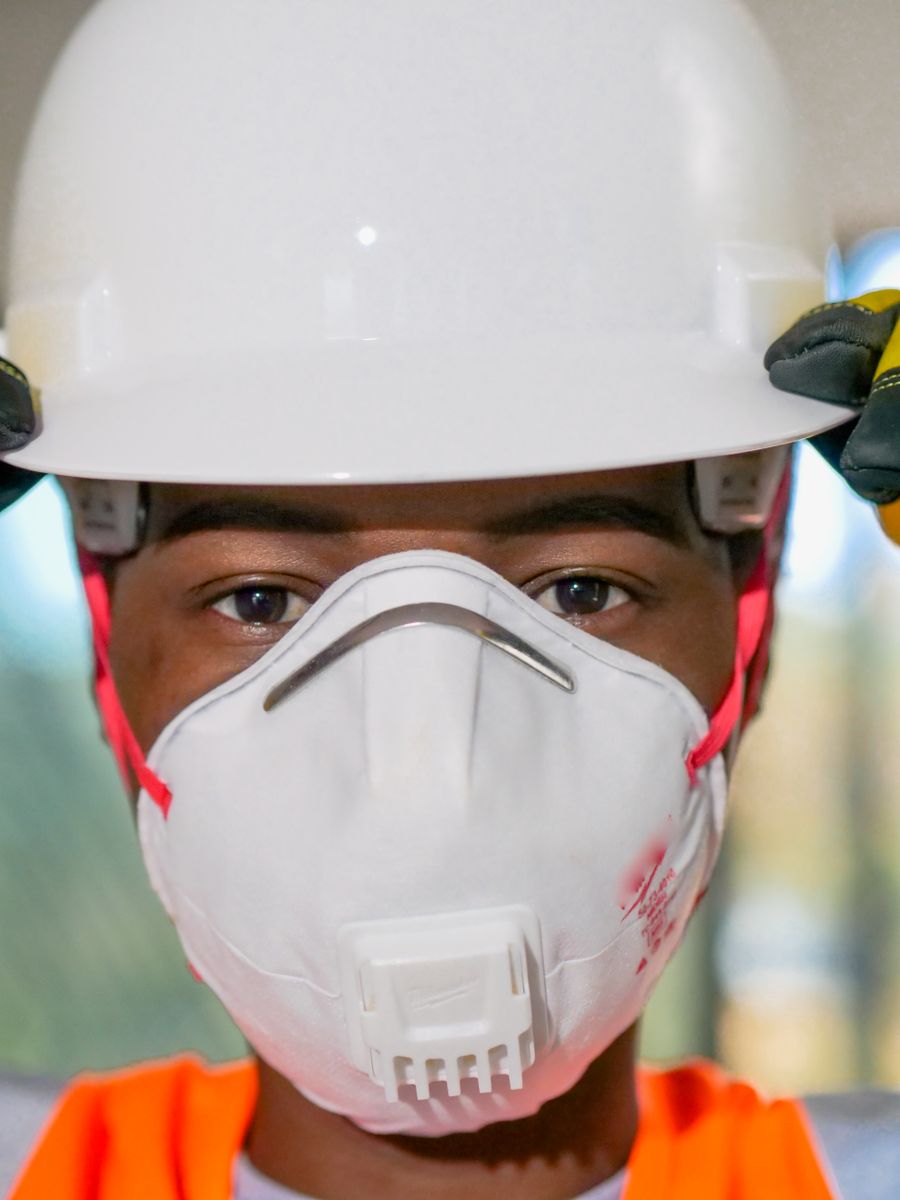
Use for quick pre-checks. It does not replace certification, competent inspection or task-specific risk assessment.
Is the hazard actually particulate and was the correct FFP class selected?
Choosing an FFP3 mask for solvent vapour because it is the “highest level”.
Identify whether the hazard is particle or gas/vapour and verify the suitable respirator, filter and face-fit/seal requirements.
Is the hazard actually particulate and was the correct FFP class selected?
Does the mask fit correctly and meet face-seal/fit requirements?
Do facial hair, face shape or other PPE compromise the seal?
Are FFP and NR/R/D markings legible?
Is the mask dirty, damaged, damp or beyond its use limit?