01
Purpose
EN 136:1998 covers requirements, testing and marking for full face masks used in respiratory protective devices. BSI currently lists the edition as current and under review.
Full Face Mask Respiratory Standard
EN 136:1998 covers requirements, testing and marking for full face masks used in respiratory protective devices. BSI currently lists the edition as current and under review.
EN 136StandardMODEL/IDModel identityCONNECTIONConnectionAlways verify the actual product label, manufacturer technical documentation and conformity markings.
EN 136:1998 covers requirements, testing and marking for full face masks used in respiratory protective devices. BSI currently lists the edition as current and under review.
Respiratory-protection systems using suitable filters or supplied air where full-face sealing and eye/face coverage are required.
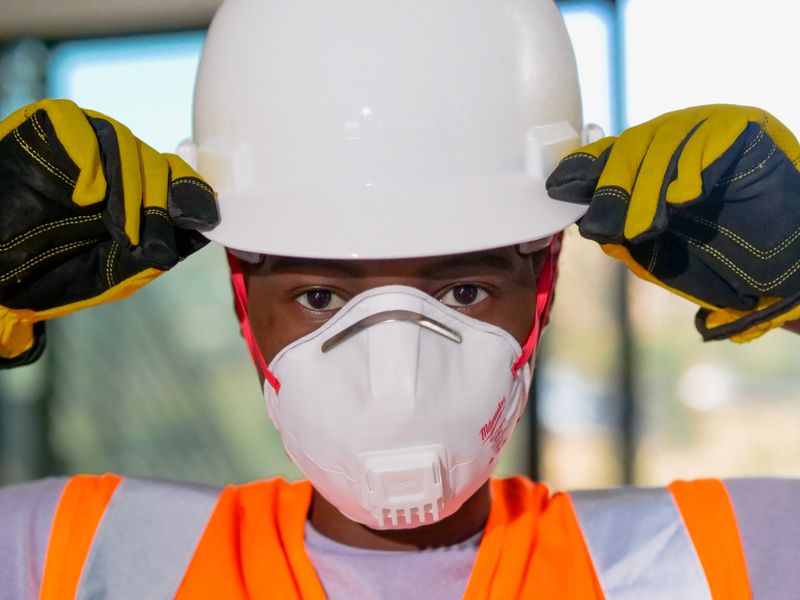
Verify EN 136 marking, manufacturer/model, connection type and instructions for use with the compatible filter or breathing system.
A class code is not a selection decision by itself. Interpret it together with task-specific risk assessment and manufacturer data.
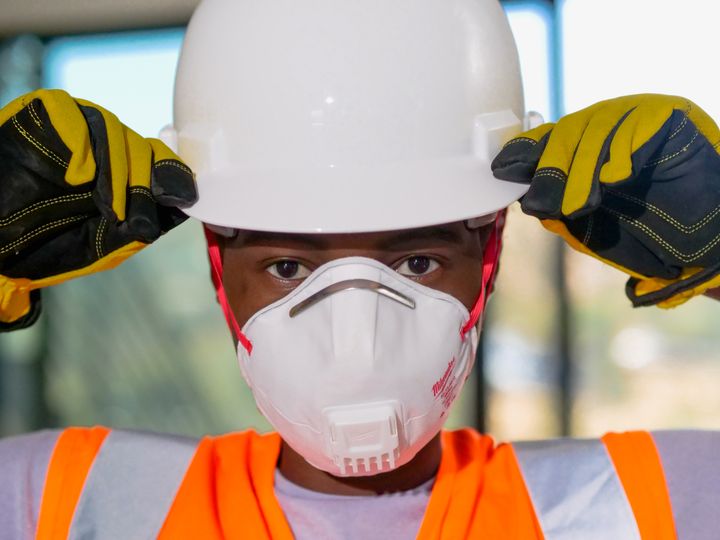
Facepiece covering face/eyes and respiratory connection in one full-face mask.
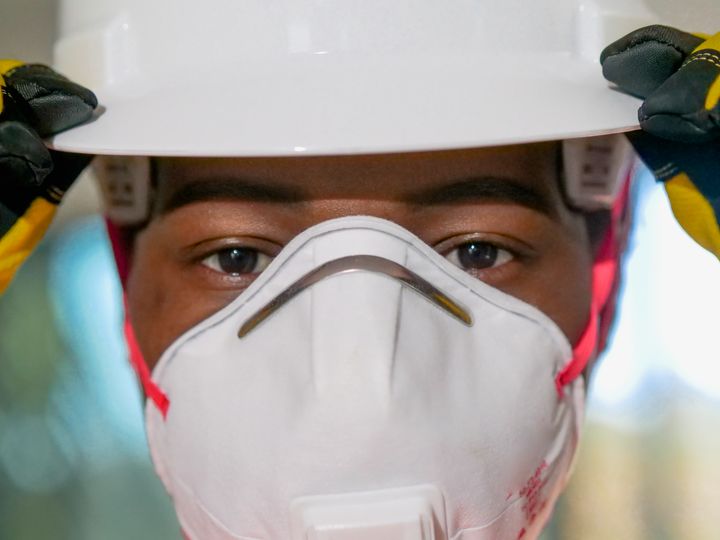
Protection depends on the mask together with a compatible filter or supplied-air system.
EN 136StandardFull-face-mask requirements, testing and marking standard.MODEL/IDModel identityManufacturer/model and traceability information.CONNECTIONConnectionConnection for compatible filter or breathing system.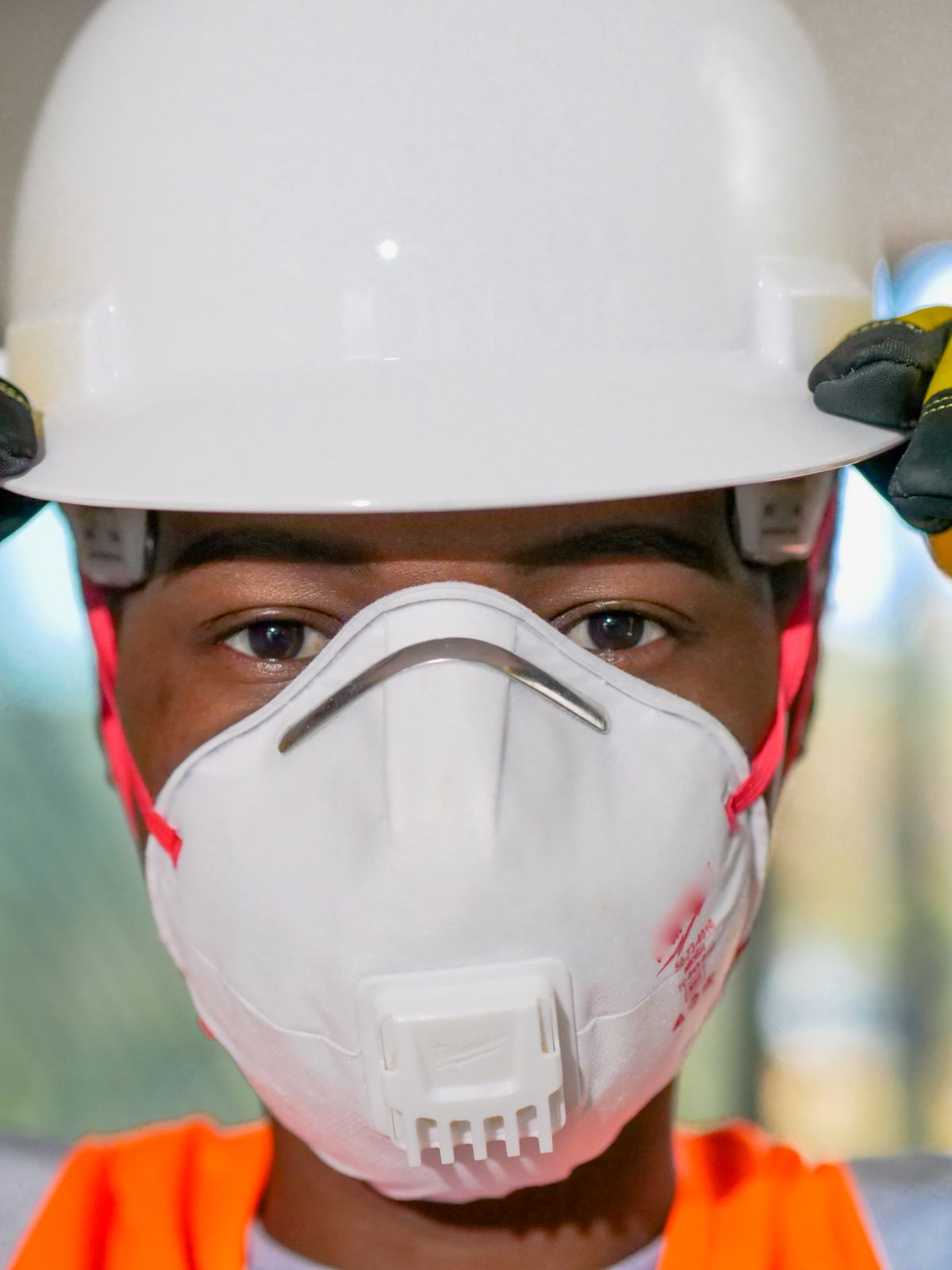
Location varies by manufacturer and design. These are the first places to check; final verification must use the actual product and manufacturer documentation.
The marking should be legible, durable and match the product.
The marking should be legible, durable and match the product.
EN 136:1998Full face masks
EN 140Half masks are a separate product standard
EN 143 / EN 14387Particle and gas/vapour filters are separate product standards
The mask is a facepiece; protection depends on the contaminant-appropriate filter or supplied-air system.
Filter type is selected by contaminant, concentration and use limits.
Check risk/SDS, mask connection, appropriate filter standard and manufacturer data together.
Use for quick pre-checks. It does not replace certification, competent inspection or task-specific risk assessment.
Is the face seal clean and undamaged?
Assuming any filter on an EN 136 mask is suitable for every chemical.
Check risk/SDS, mask connection, appropriate filter standard and manufacturer data together.
Is the face seal clean and undamaged?
Any visor scratch/crack affecting vision?
Are valves clean and functional?
Is filter/system connection compatible and correct?
Are fit testing and wearer suitability current under the site program?