01
Purpose
EN 143:2021 specifies requirements, testing, classification and marking for replaceable particle filters used in respiratory protective devices. Particle filters do not protect against gases or vapours.
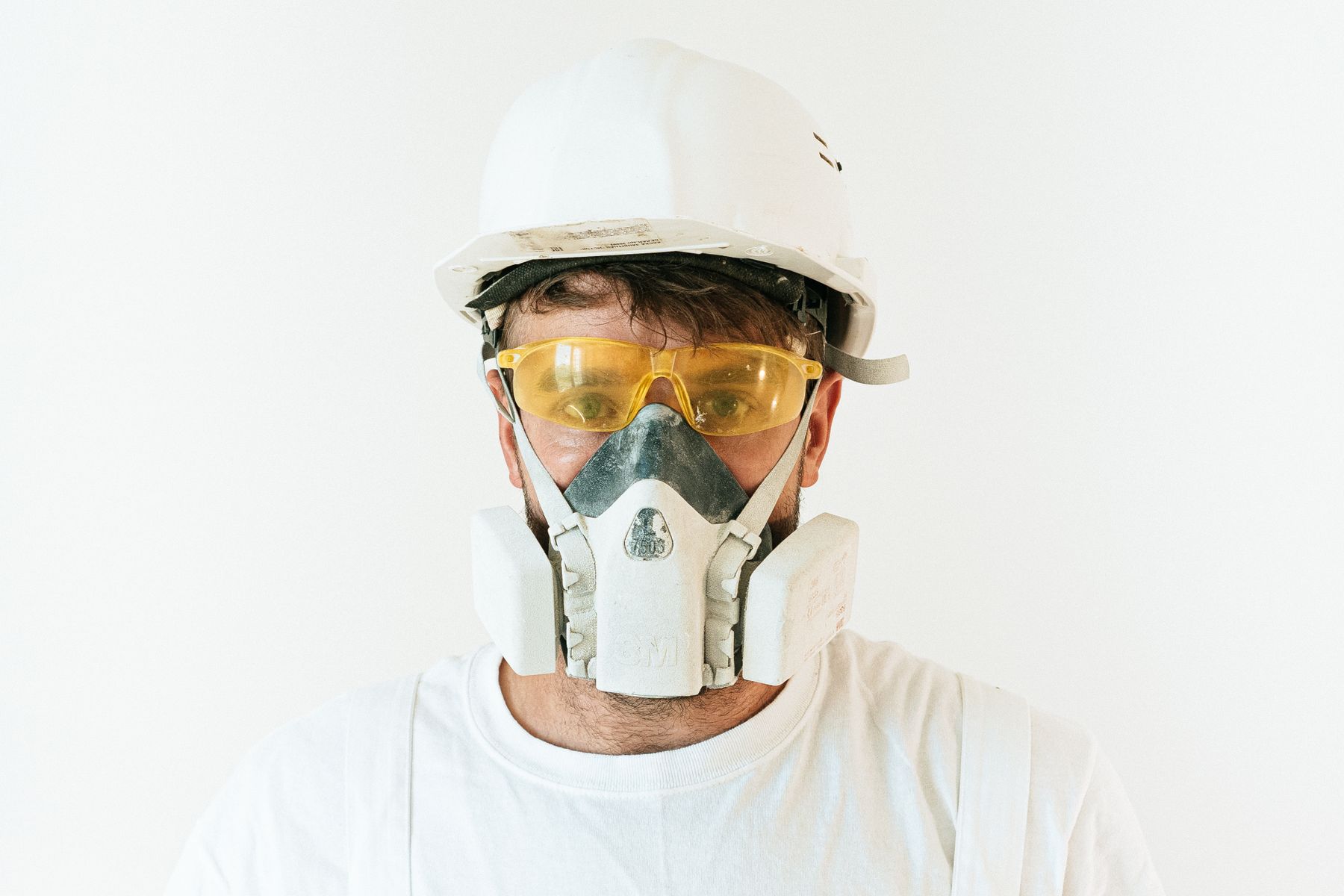
Respiratory Particle Filter Standard
EN 143:2021 specifies requirements, testing, classification and marking for replaceable particle filters used in respiratory protective devices. Particle filters do not protect against gases or vapours.
EN 143:2021Standard & editionP1/P2/P3ClassAlways verify the actual product label, manufacturer technical documentation and conformity markings.
EN 143:2021 specifies requirements, testing, classification and marking for replaceable particle filters used in respiratory protective devices. Particle filters do not protect against gases or vapours.
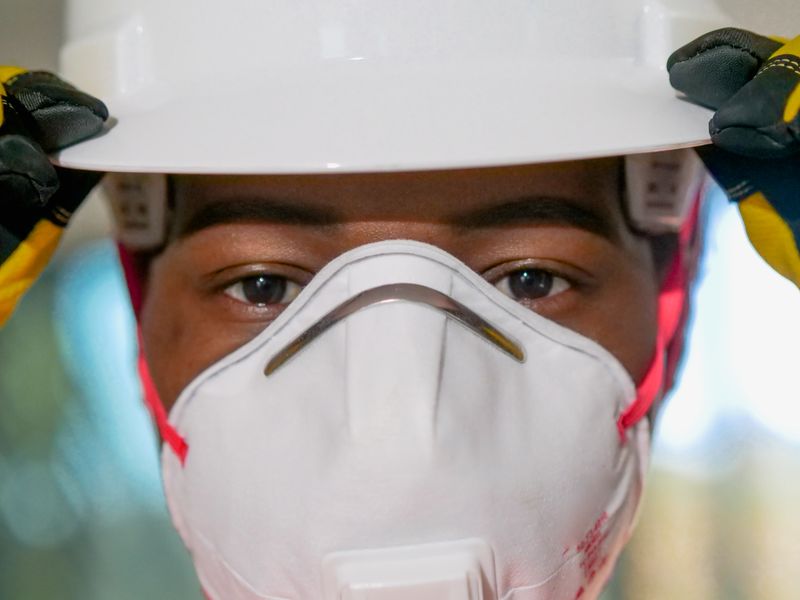
Tasks using replaceable particle filters on compatible half/full facepieces or other suitable RPDs for particle exposure.
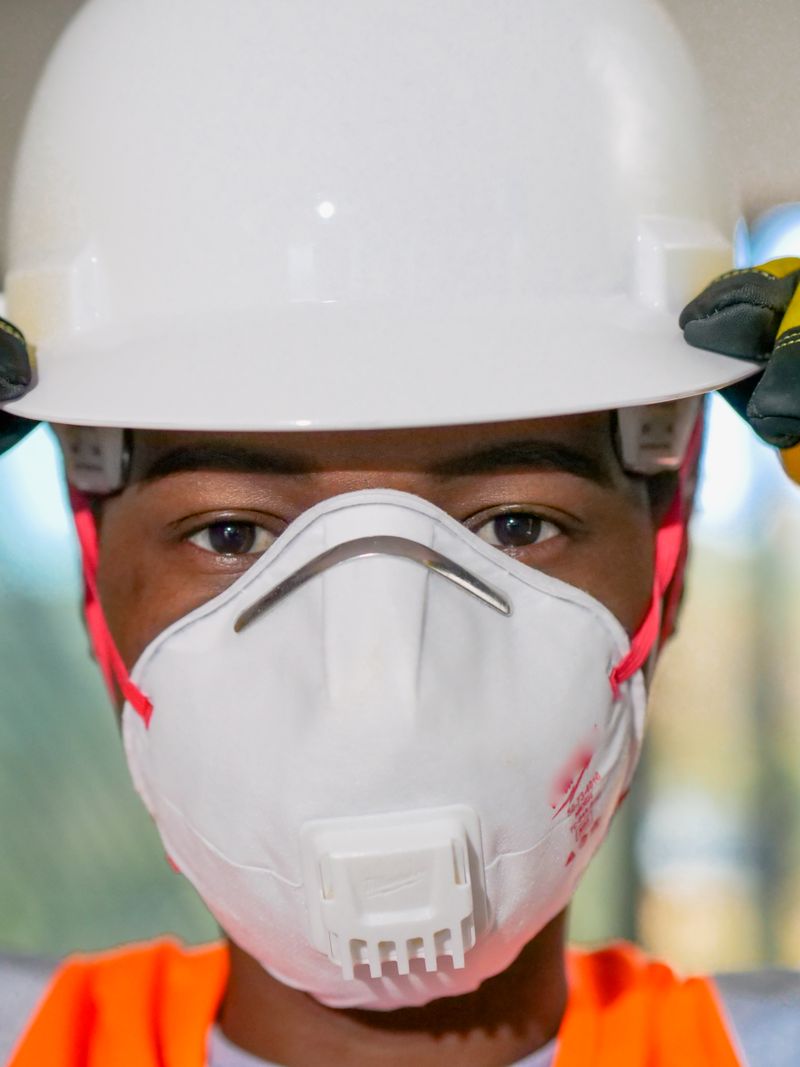
Check EN 143:2021 marking, P1/P2/P3 class, connection compatibility and manufacturer use/service limits.
A class code is not a selection decision by itself. Interpret it together with task-specific risk assessment and manufacturer data.
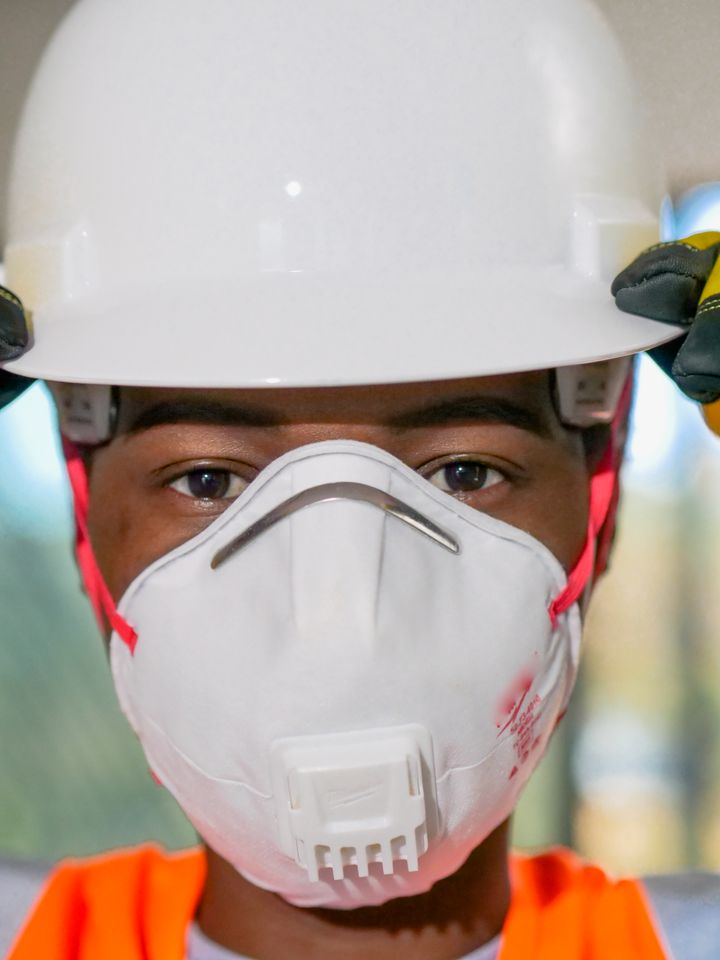
Particle-filter performance class; actual selection depends on exposure assessment.
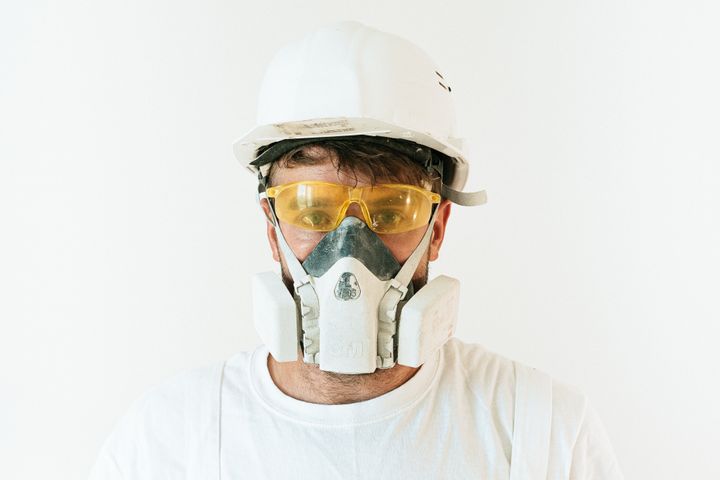
Higher particle-filter performance class.
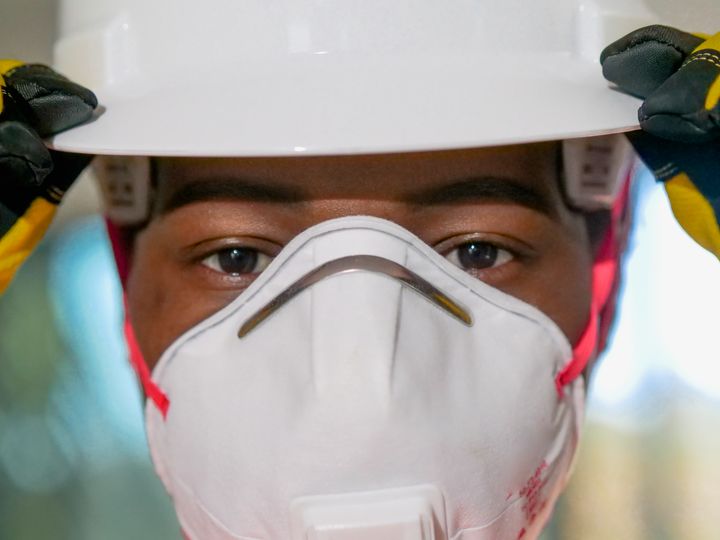
High particle-filter performance class; total system protection also depends on facepiece and fit.
EN 143:2021Standard & editionCurrent European particle-filter reference.P1/P2/P3ClassFilter performance class.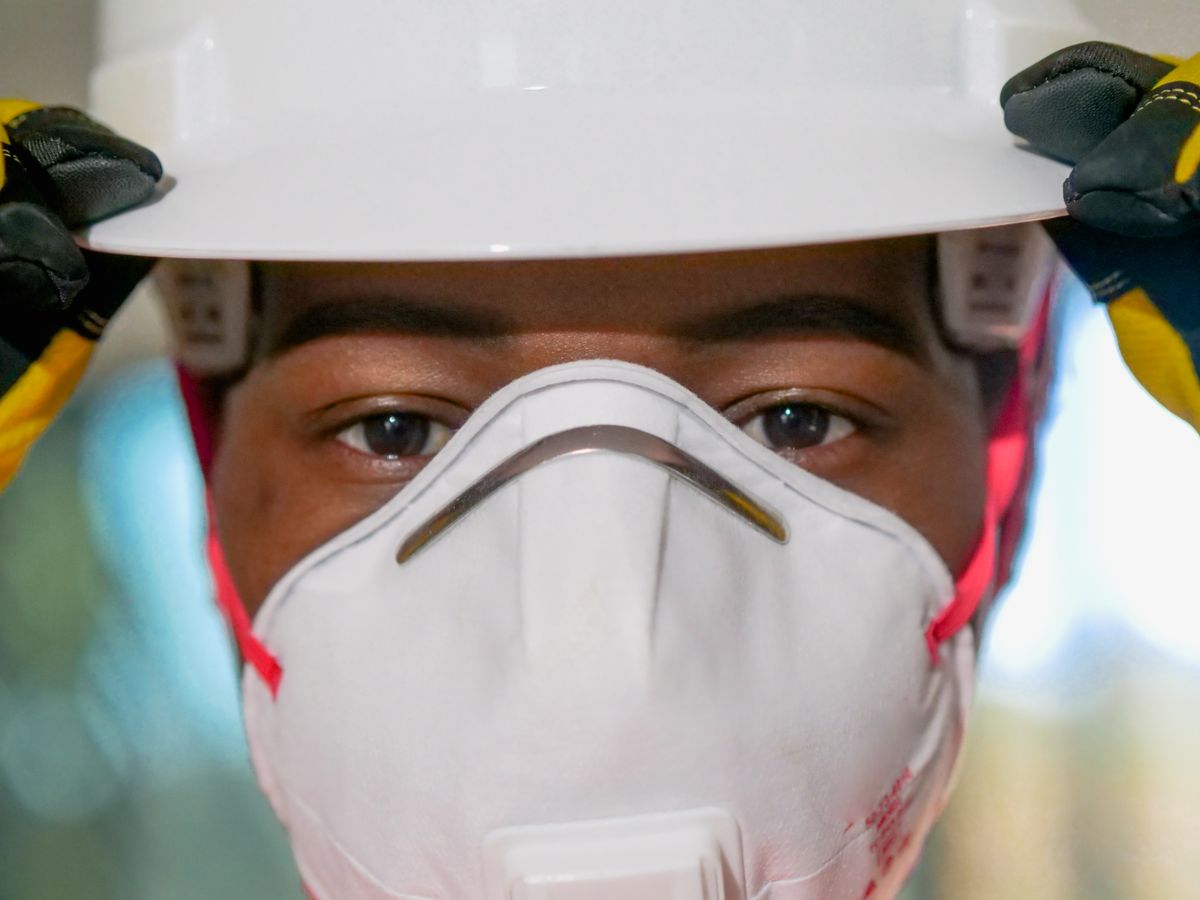
Location varies by manufacturer and design. These are the first places to check; final verification must use the actual product and manufacturer documentation.
The marking should be legible, durable and match the product.
The marking should be legible, durable and match the product.
EN 143:2021Replaceable particle filters
EN 14387:2021Gas and combined filters
EN 149Filtering half-mask product standard
High particle class does not mean gas or vapour protection.
EN 143 is a particle-filter standard only.
Verify a suitable combined filter where both particle and gas/vapour hazards exist.
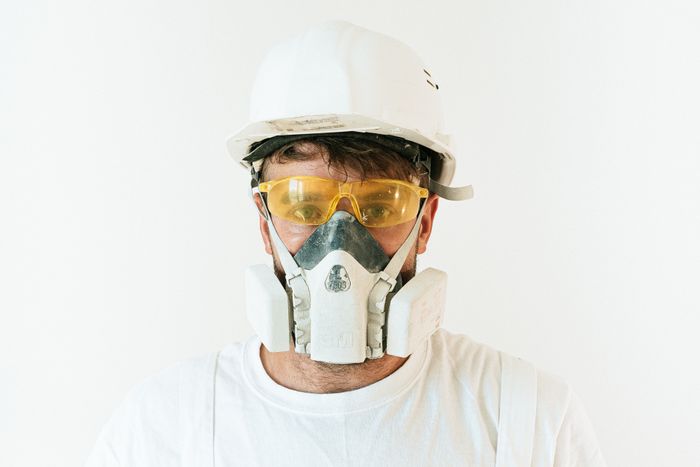
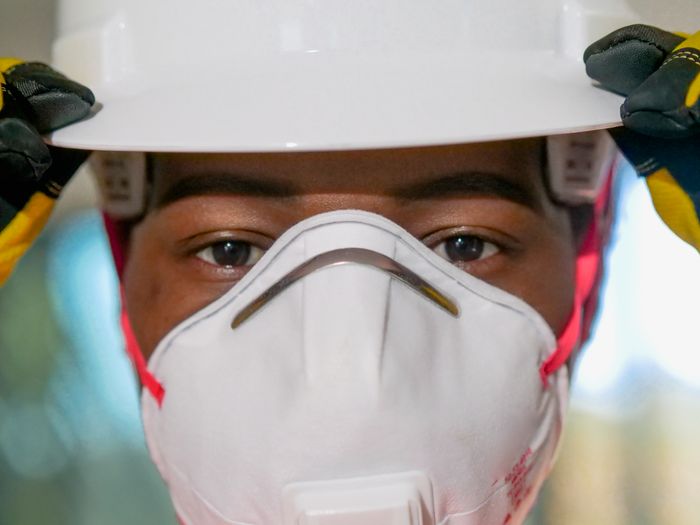
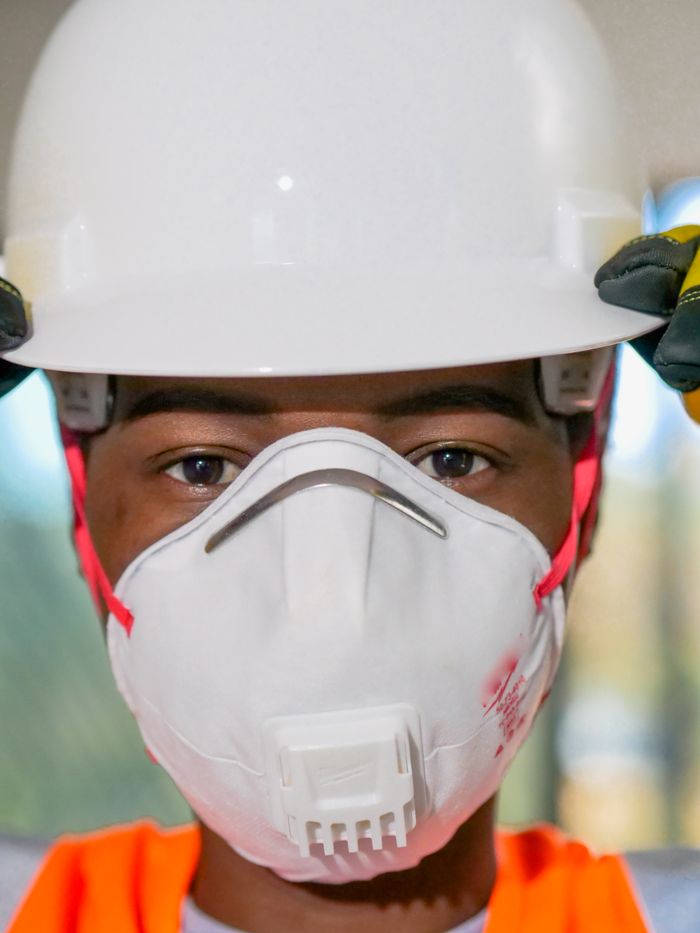
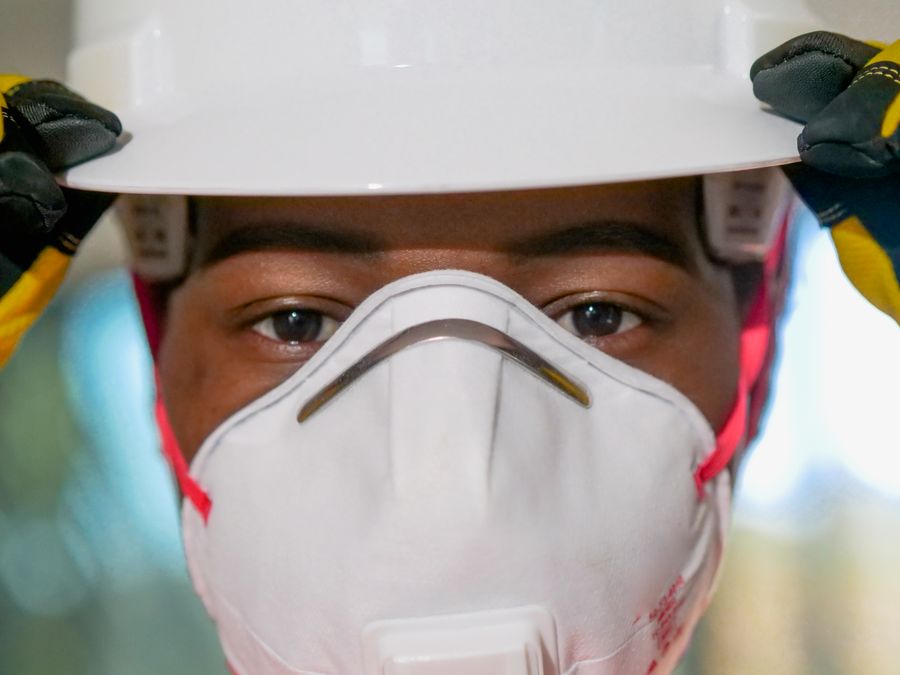
Use for quick pre-checks. It does not replace certification, competent inspection or task-specific risk assessment.
Is filter class suitable for exposure?
Treating a P3 filter as sufficient for solvent vapour.
Verify a suitable combined filter where both particle and gas/vapour hazards exist.
Is filter class suitable for exposure?
Is filter damaged, wet or contaminated?
Is facepiece connection compatible?
Is there also a gas/vapour hazard?