01
Purpose
EN IEC 61482-2 specifies requirements for materials and garments protecting electrical workers against the thermal hazards of an electric arc. It does not cover electric-shock hazards.
Protective Clothing Against Electric Arc Thermal Hazards
EN IEC 61482-2 specifies requirements for materials and garments protecting electrical workers against the thermal hazards of an electric arc. It does not cover electric-shock hazards.
EN IEC 61482-2StandardATPV/EBT/ELIMArc performanceIDProduct identityAlways verify the actual product label, manufacturer technical documentation and conformity markings.
EN IEC 61482-2 specifies requirements for materials and garments protecting electrical workers against the thermal hazards of an electric arc. It does not cover electric-shock hazards.
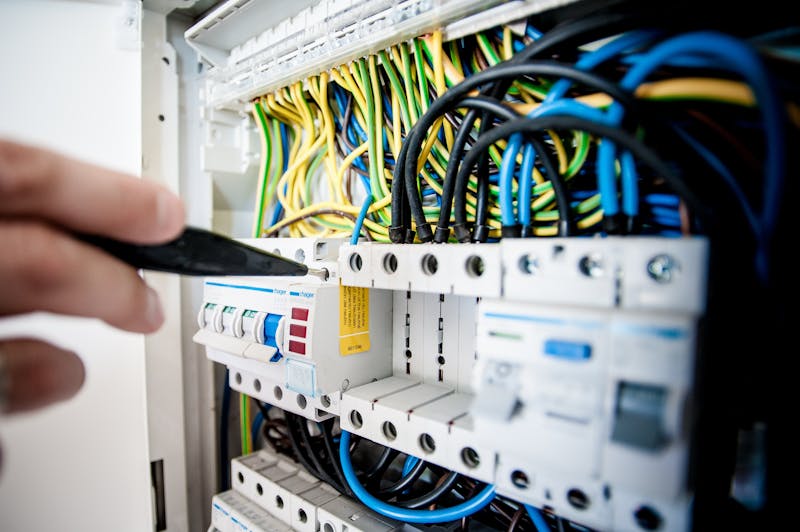
Electrical maintenance or live-working situations with electric-arc thermal hazards; it is not a welding-clothing standard.

Verify EN IEC 61482-2 marking and the garment’s declared arc performance; arc performance does not mean electrical insulation against shock.
A class code is not a selection decision by itself. Interpret it together with task-specific risk assessment and manufacturer data.

Manufacturer may declare arc-thermal values such as ATPV/EBT/ELIM based on the applicable test method.
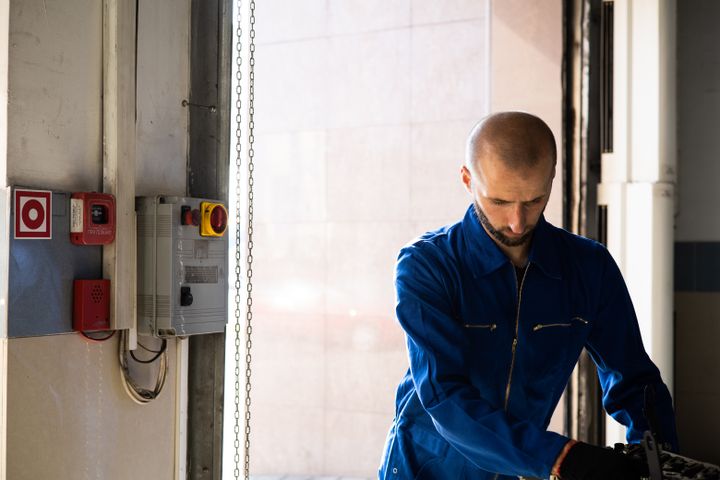
Arc-protection class based on box-test methodology is interpreted from manufacturer marking.
EN IEC 61482-2StandardGarment protection against electric-arc thermal hazards.ATPV/EBT/ELIMArc performanceManufacturer-declared arc-thermal performance values.IDProduct identityManufacturer/model and traceability.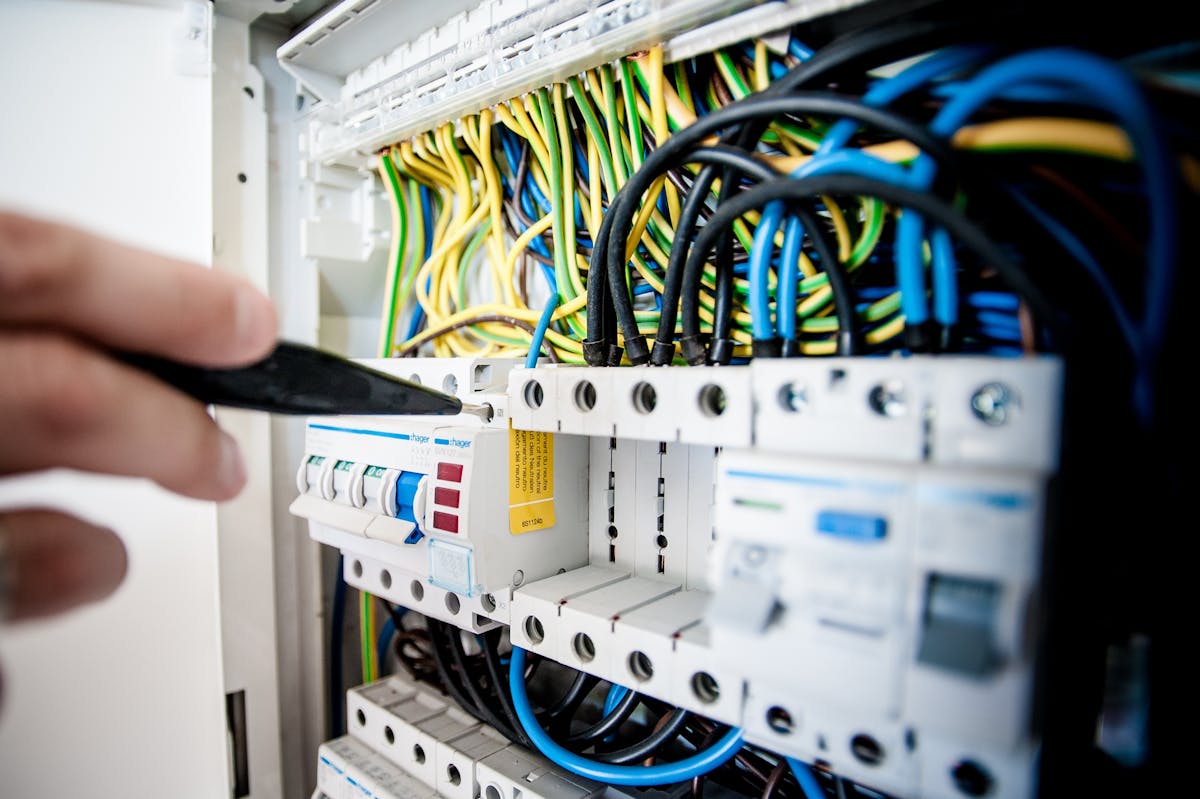
Location varies by manufacturer and design. These are the first places to check; final verification must use the actual product and manufacturer documentation.
The marking should be legible, durable and match the product.
The marking should be legible, durable and match the product.
EN IEC 61482-2Clothing against electric-arc thermal hazards
EN 60903Insulating gloves for electric shock are a separate standard
Clothing addresses arc thermal effects, not electric shock.
Electric-shock risk requires separate insulating PPE and work methods.
Assess arc thermal risk and electric-shock risk separately and select PPE for each.

Use for quick pre-checks. It does not replace certification, competent inspection or task-specific risk assessment.
Does arc performance match the risk-assessed incident energy?
Treating arc-rated clothing as electrical insulation against voltage contact.
Assess arc thermal risk and electric-shock risk separately and select PPE for each.
Does arc performance match the risk-assessed incident energy?
Is the garment damaged, contaminated or improperly modified?
Is the layering system supported by the manufacturer?
Has separate suitable insulation/additional PPE been selected for electric-shock hazards?