01
Purpose
Covers glove performance against mechanical risks including abrasion, blade cut, tear, puncture and, where applicable, impact.
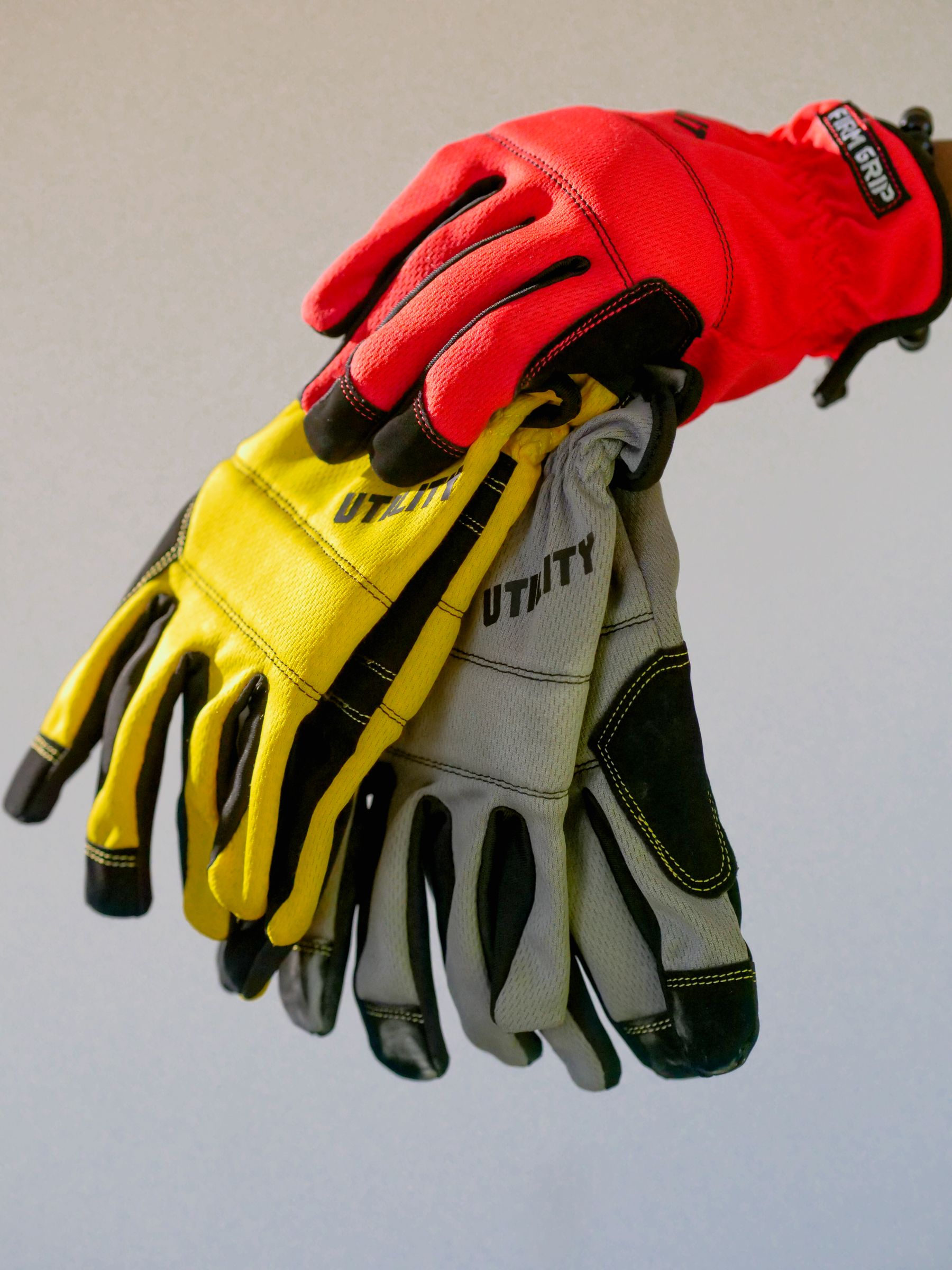
Protective Gloves Against Mechanical Risks
Covers glove performance against mechanical risks including abrasion, blade cut, tear, puncture and, where applicable, impact.
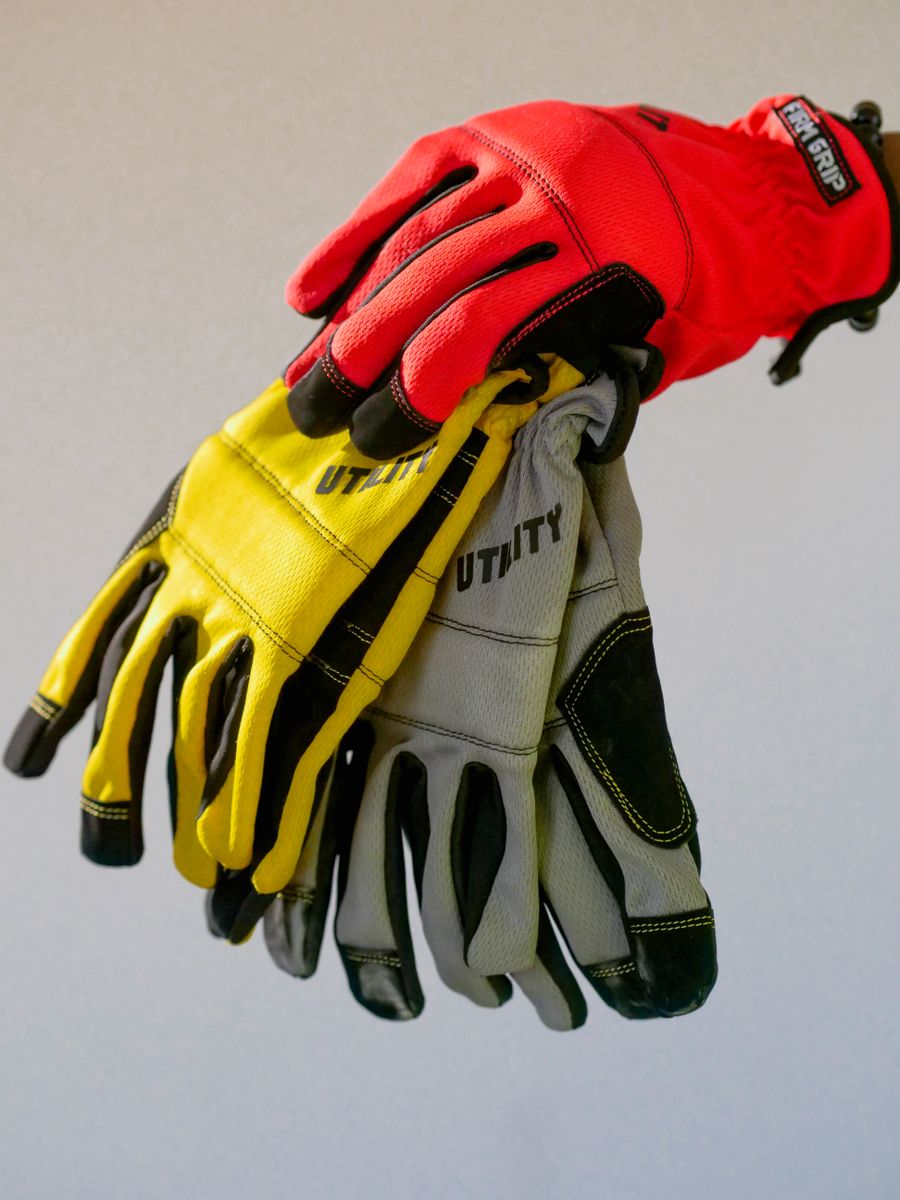
EN 388Standard0–4Position 1: abrasion0–5 / XPosition 2: Coup cut0–4Position 3: tearAlways verify the actual product label, manufacturer technical documentation and conformity markings.
Covers glove performance against mechanical risks including abrasion, blade cut, tear, puncture and, where applicable, impact.
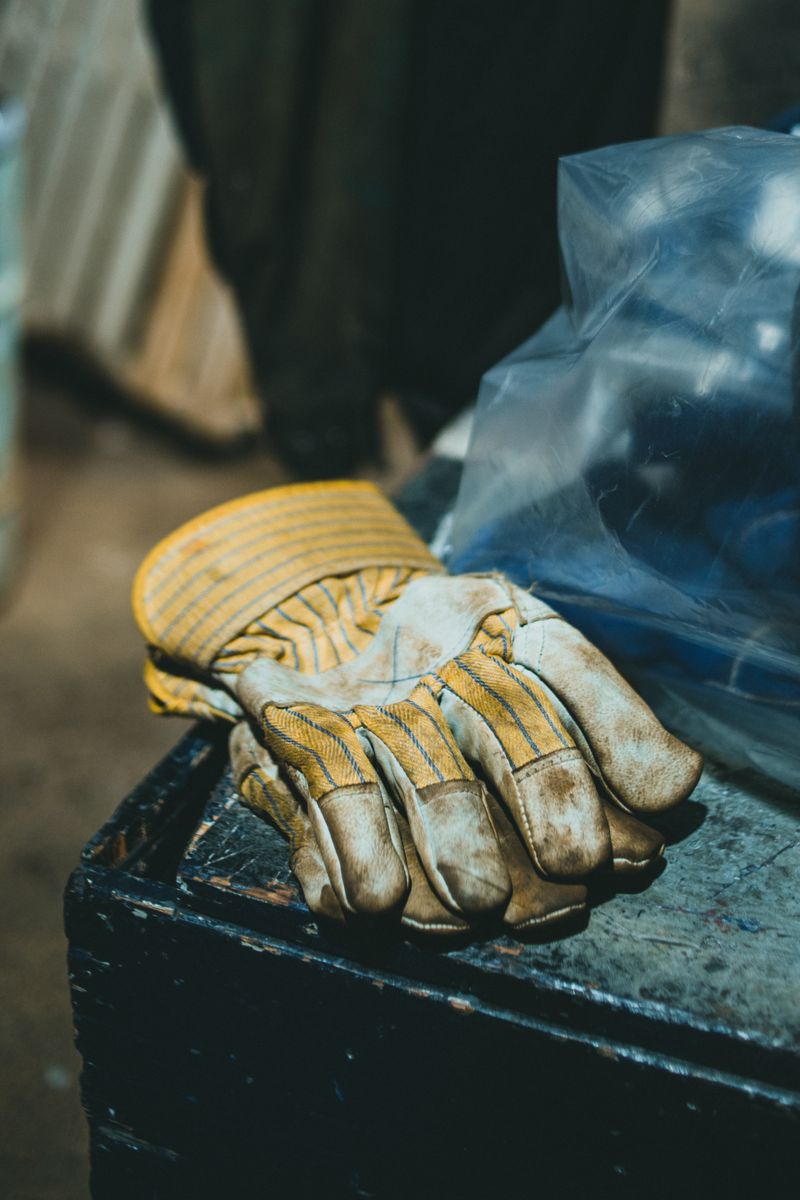
Material handling, assembly, maintenance and tasks with mechanical hand hazards.
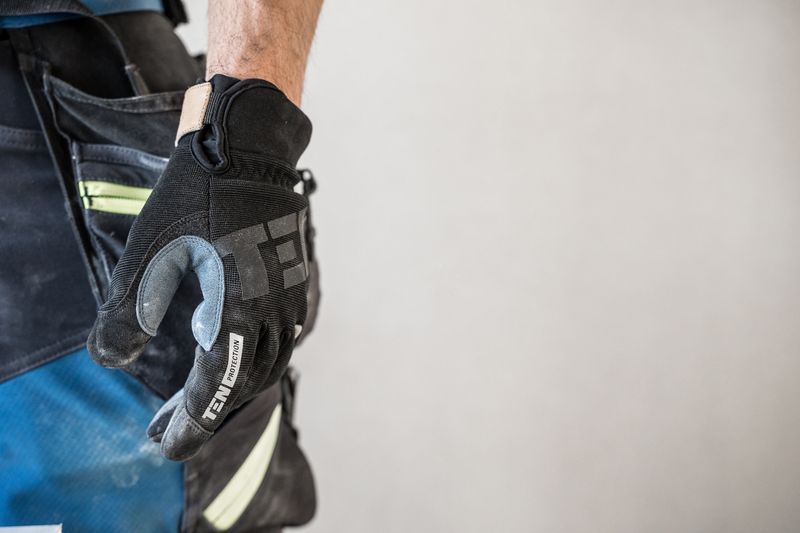
Read the EN 388 performance code in sequence: abrasion, Coup blade cut, tear, puncture, ISO 13997/TDM cut and optional impact P marking.
A class code is not a selection decision by itself. Interpret it together with task-specific risk assessment and manufacturer data.
Position 1 shows abrasion performance.
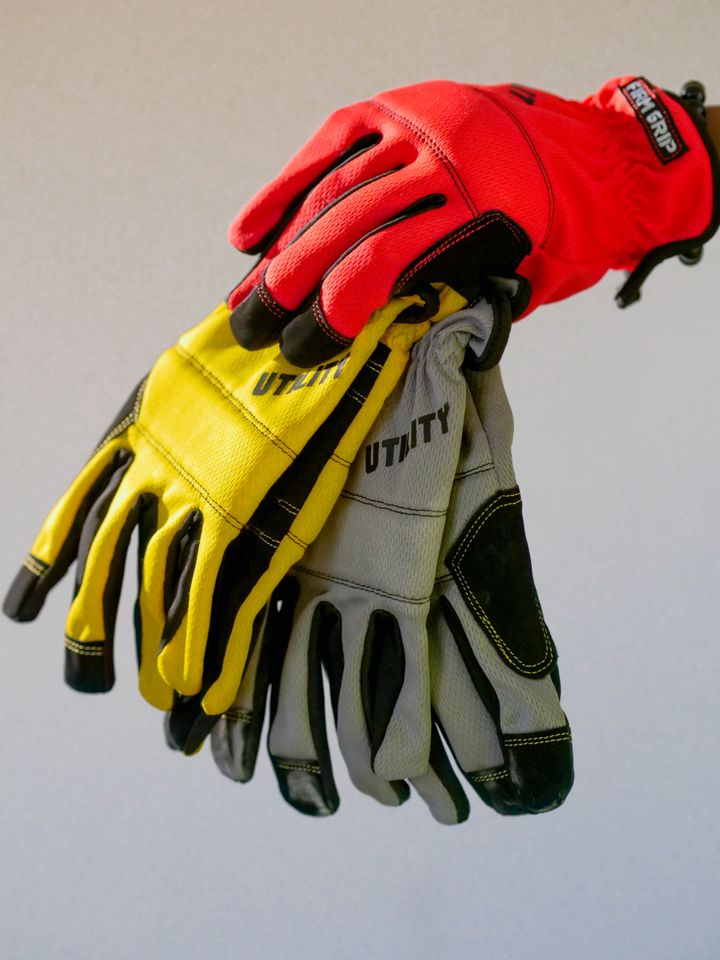
Position 2 is the circular-blade/Coup cut result; X can indicate not tested/not applicable.
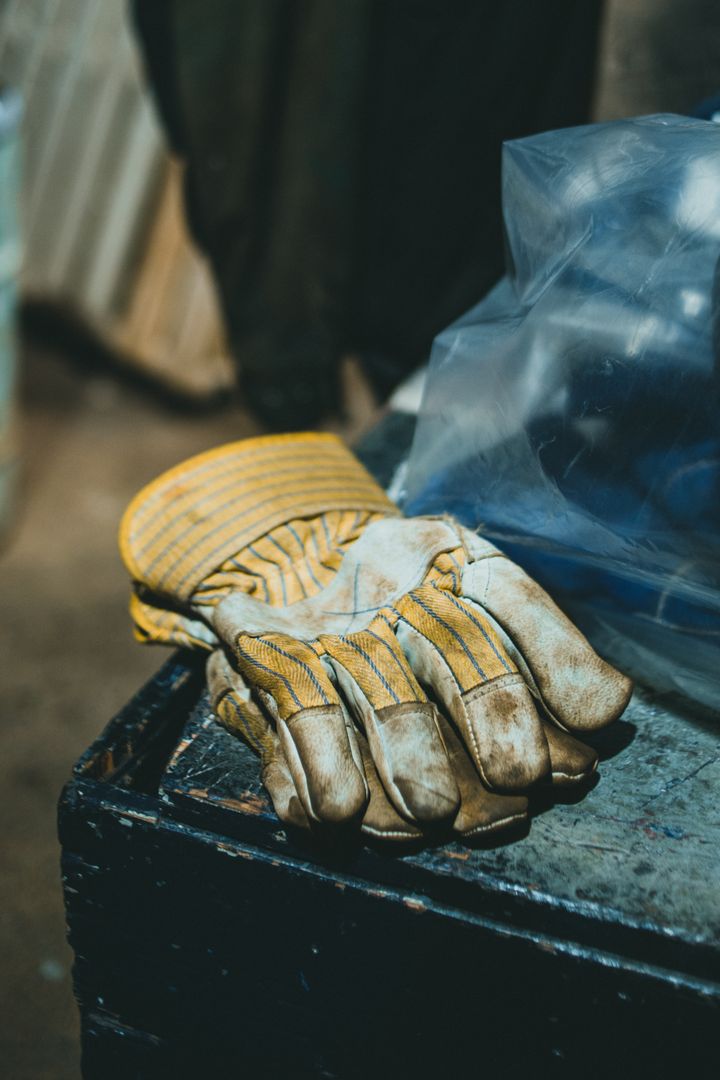
Position 3 shows tear resistance.
Position 4 shows puncture resistance with the standard probe.
Position 5 is TDM cut performance, increasing from A to F.
P is added when the impact test is passed; this position is optional.
EN 388StandardCurrent published reference is EN 388:2016+A1:2018.0–4Position 1: abrasionAbrasion performance level.0–5 / XPosition 2: Coup cutCircular-blade test result; X may appear on high cut-resistant materials.0–4Position 3: tearTear performance level.0–4Position 4: punctureStandard mechanical puncture performance level.A–F / XPosition 5: TDMISO 13997 cut-performance letter.PPosition 6: impactOptional impact-protection pass marking.
Location varies by manufacturer and design. These are the first places to check; final verification must use the actual product and manufacturer documentation.
The marking should be legible, durable and match the product.
The marking should be legible, durable and match the product.
The marking should be legible, durable and match the product.
EN 388:2016+A1:2018Mechanical risks with an up-to-six-position performance code
EN ISO 374Chemical risks are assessed separately
EN 407Heat and thermal risks are assessed separately
Cut performance does not replace chemical, thermal or needle-puncture protection.
Mechanical and chemical hazards require separate performance data.
Identify all hazards and verify a product with the required mechanical and chemical performance using manufacturer data.
Use for quick pre-checks. It does not replace certification, competent inspection or task-specific risk assessment.
Does the glove match the actual mechanical hazard?
Selecting gloves only by EN 388 cut rating for a task involving both sharp metal and chemicals.
Identify all hazards and verify a product with the required mechanical and chemical performance using manufacturer data.
Does the glove match the actual mechanical hazard?
Is the up-to-six-position performance code read in the correct sequence?
Any damage on palm/fingers?
Are size, grip and dexterity suitable for the task?
Were chemical, thermal or needle-like additional hazards assessed separately?