01
Purpose
Covers connectors used in personal fall-protection systems.
Connector and Carabiner Standard
Covers connectors used in personal fall-protection systems.
EN 362StandardB/M/T/A/QClasskNStrengthIDIdentityAlways verify the actual product label, manufacturer technical documentation and conformity markings.
Covers connectors used in personal fall-protection systems.
Harness, lanyard, lifeline and anchorage-system connections.

Check EN 362 marking, B/M/T/A/Q class, locking mechanism, strength markings and manufacturer information.
A class code is not a selection decision by itself. Interpret it together with task-specific risk assessment and manufacturer data.

Self-closing basic connector used as a component.
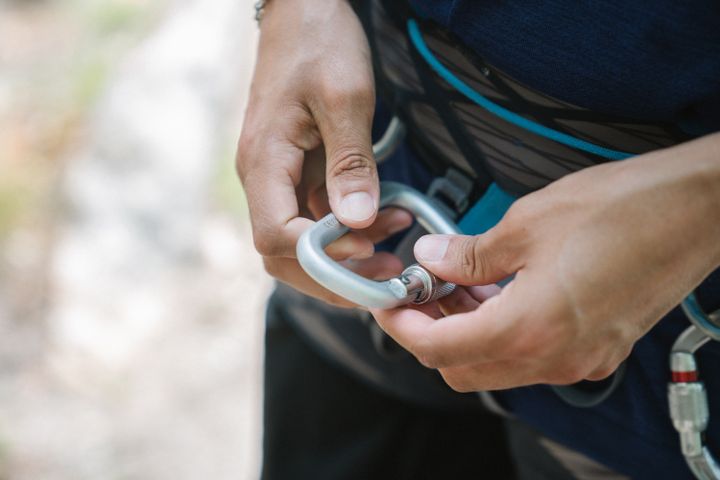
Multi-use class intended to accommodate loading on major and minor axes.
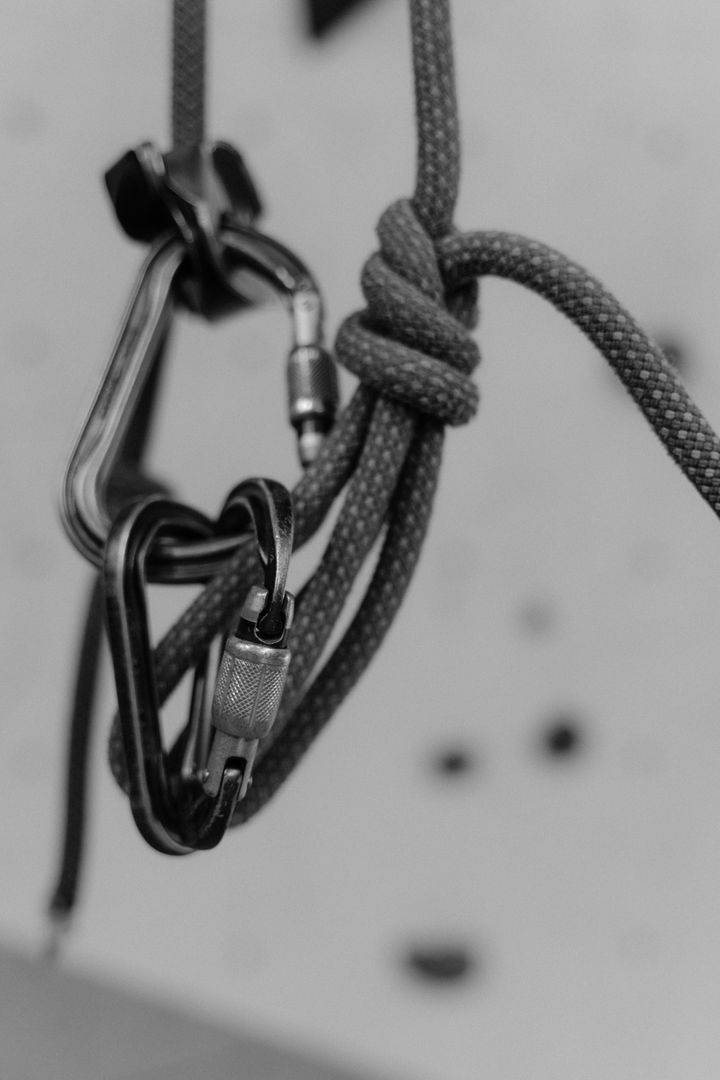
Connector fixed in a subsystem so loading is applied in a predetermined direction.
Automatically closing connector designed to link directly to a specific anchor type.
Connector class with a screw-motion gate (quick-link/maillon type).
EN 362StandardConnector reference.B/M/T/A/QClassFunctional class of the connector.kNStrengthMarked strength values for the indicated loading axes/conditions.IDIdentityManufacturer/model and traceability information.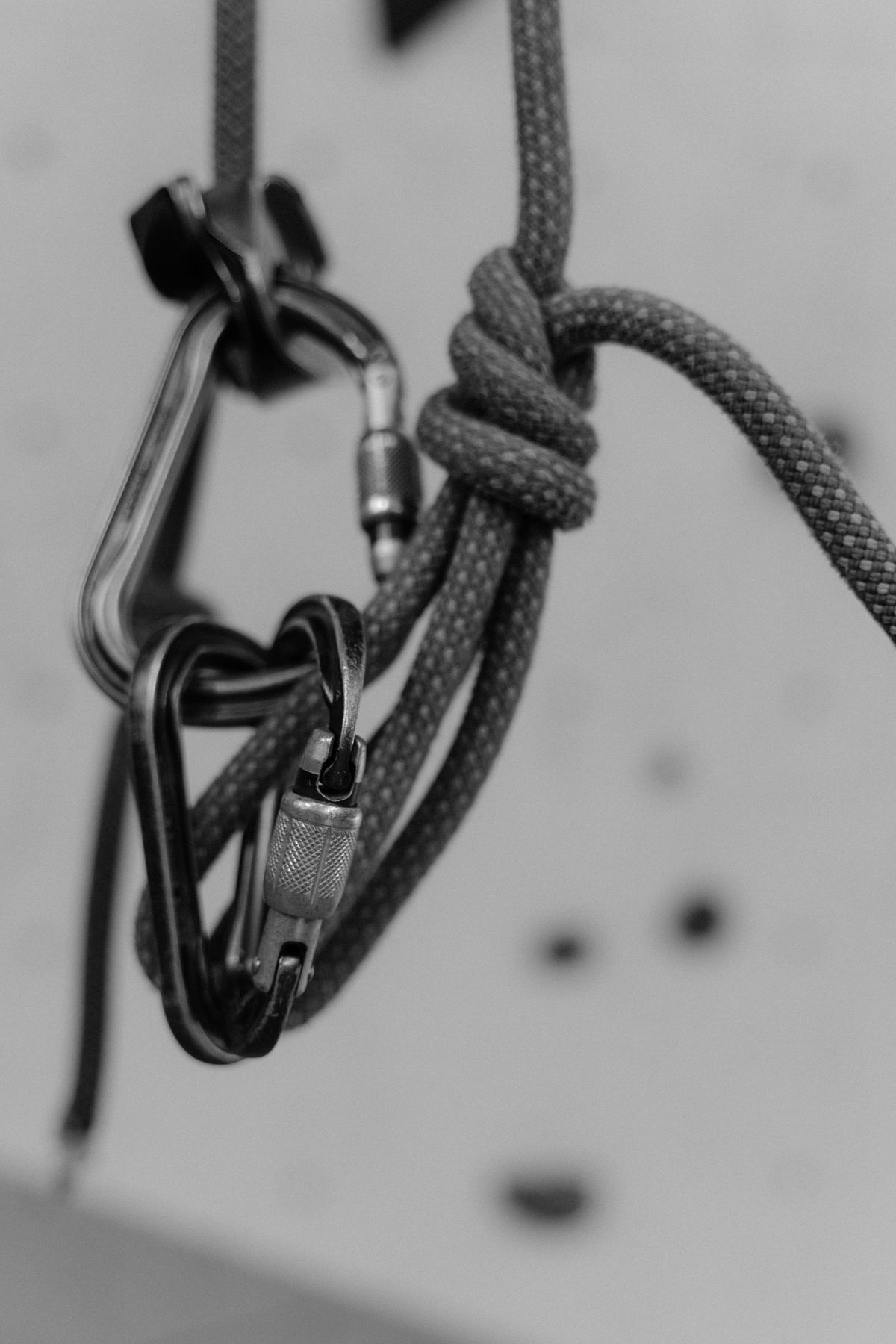
Location varies by manufacturer and design. These are the first places to check; final verification must use the actual product and manufacturer documentation.
The marking should be legible, durable and match the product.
The marking should be legible, durable and match the product.
The marking should be legible, durable and match the product.
EN 362B/M/T/A/Q class connectors in personal fall-protection systems
EN 795Anchor devices are a separate component family
EN 361System compatibility is checked with harness attachment points
Connector class, orientation, gate condition and loading axis can be critical.
Connector class and marked strength depend on loading direction.
Verify the class, intended loading axis, closed/locked gate and component compatibility.
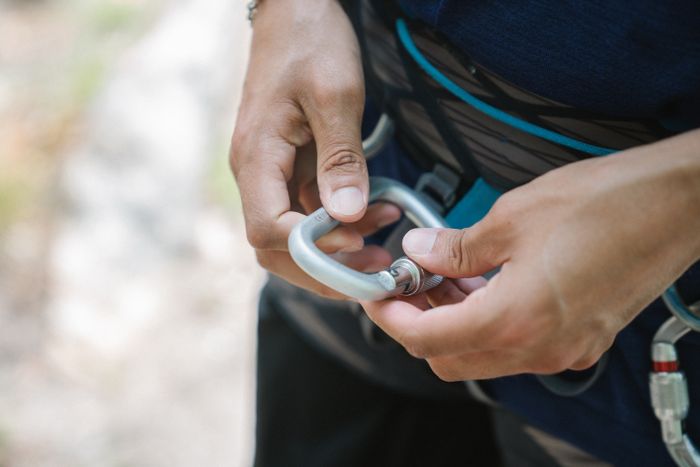
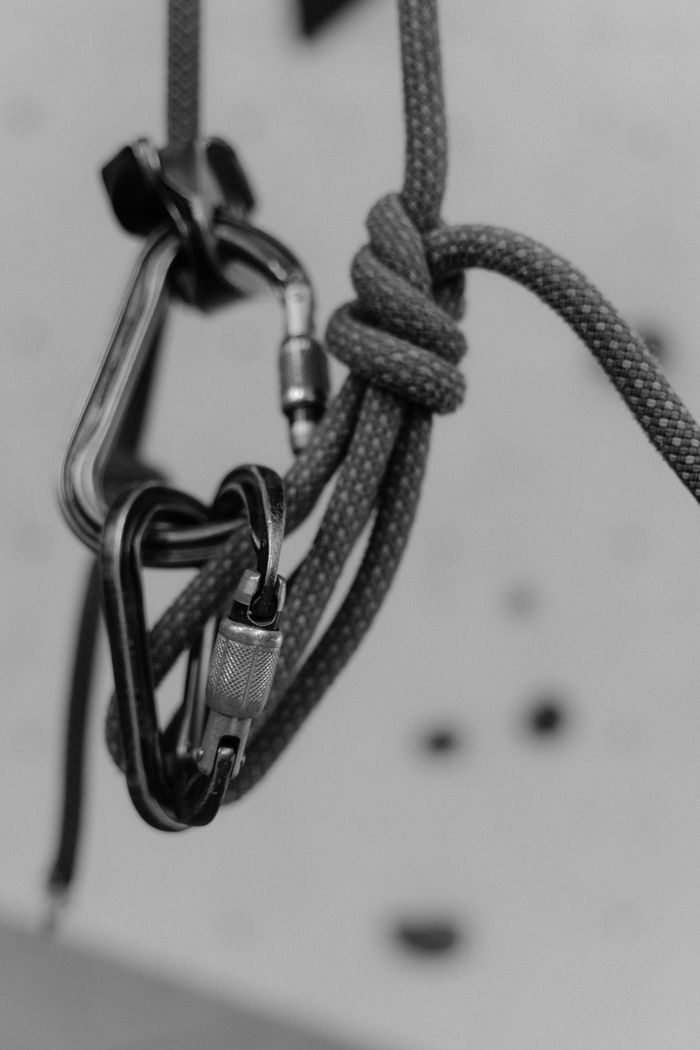

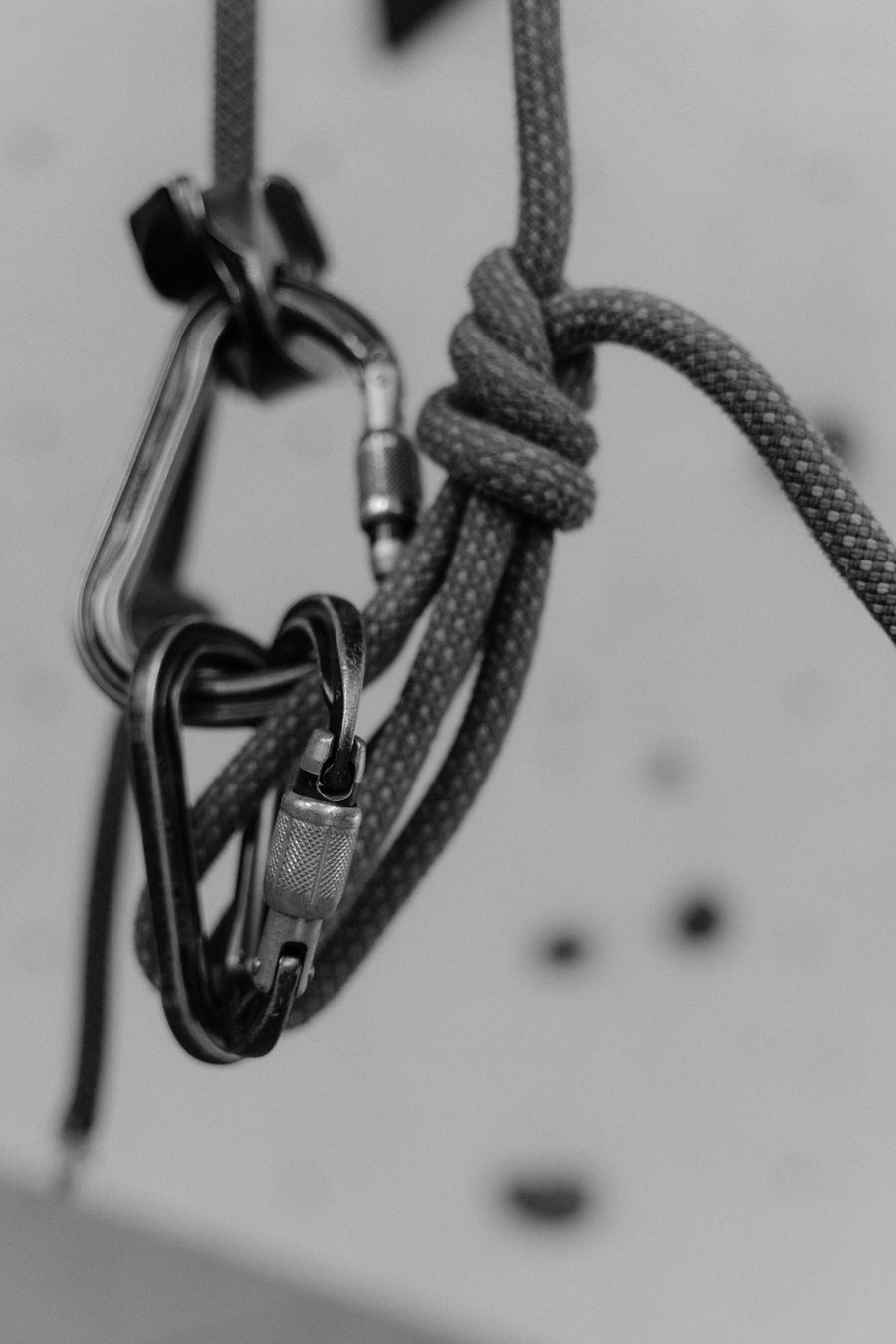
Use for quick pre-checks. It does not replace certification, competent inspection or task-specific risk assessment.
Does the gate self-close?
Loading a connector across the gate or on an axis it was not designed for.
Verify the class, intended loading axis, closed/locked gate and component compatibility.
Does the gate self-close?
Does the locking mechanism work?
Any crack, deformation or significant corrosion in body/gate?
Is the connector loaded on the intended axis; any cross/gate-loading risk?
Are class and component compatibility suitable for the application?