01
Purpose
EN 169:2002 is a legacy performance/transmittance reference for welding filters. BSI lists EN 169:2002 among withdrawn standards replaced by the EN ISO 16321 suite; EN ISO 16321-2 is the current main reference for new welding protectors.
EN 169 Legacy Welding Filter Reference
EN 169:2002 is a legacy performance/transmittance reference for welding filters. BSI lists EN 169:2002 among withdrawn standards replaced by the EN ISO 16321 suite; EN ISO 16321-2 is the current main reference for new welding protectors.
SHADEShade/scaleEN ISO 16321-2Current referenceAlways verify the actual product label, manufacturer technical documentation and conformity markings.
EN 169:2002 is a legacy performance/transmittance reference for welding filters. BSI lists EN 169:2002 among withdrawn standards replaced by the EN ISO 16321 suite; EN ISO 16321-2 is the current main reference for new welding protectors.
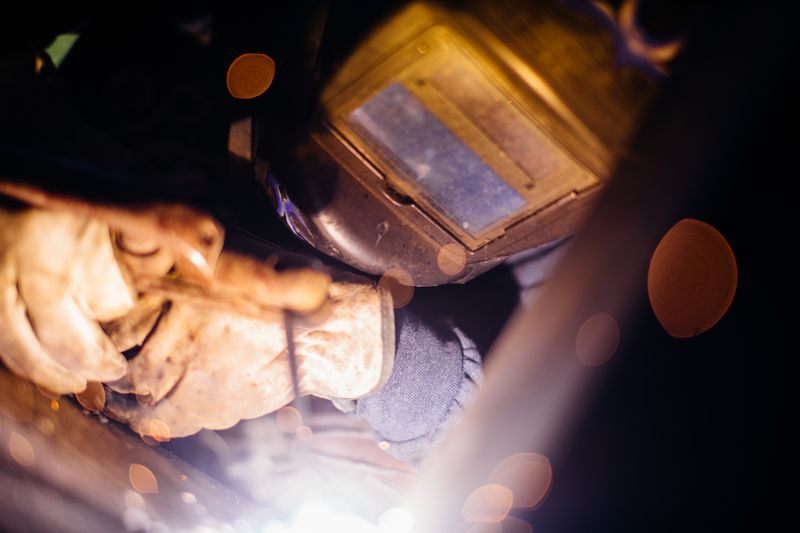
Field identification of existing EN 169-marked welding filters and comparison with current EN ISO 16321-2 when selecting new products.
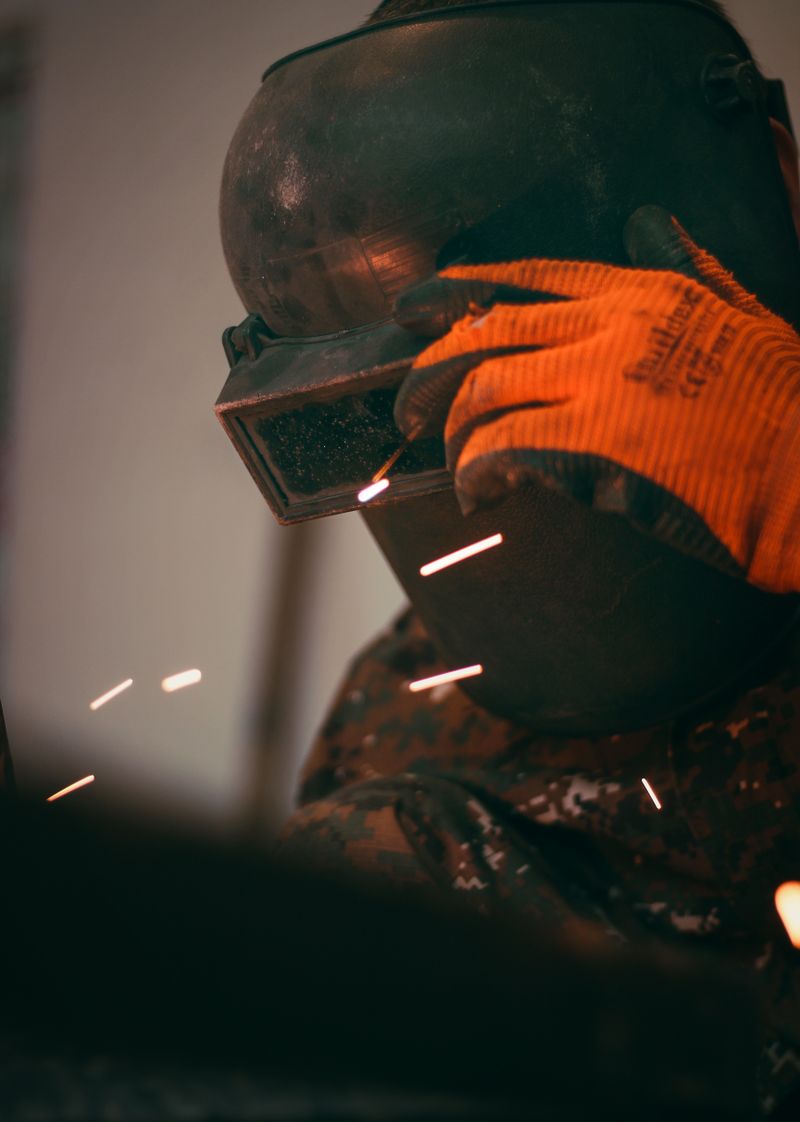
On legacy products read the filter scale/shade number and manufacturer marking; for new products/certification verify EN ISO 16321-2 and the manufacturer filter-selection table.
A class code is not a selection decision by itself. Interpret it together with task-specific risk assessment and manufacturer data.
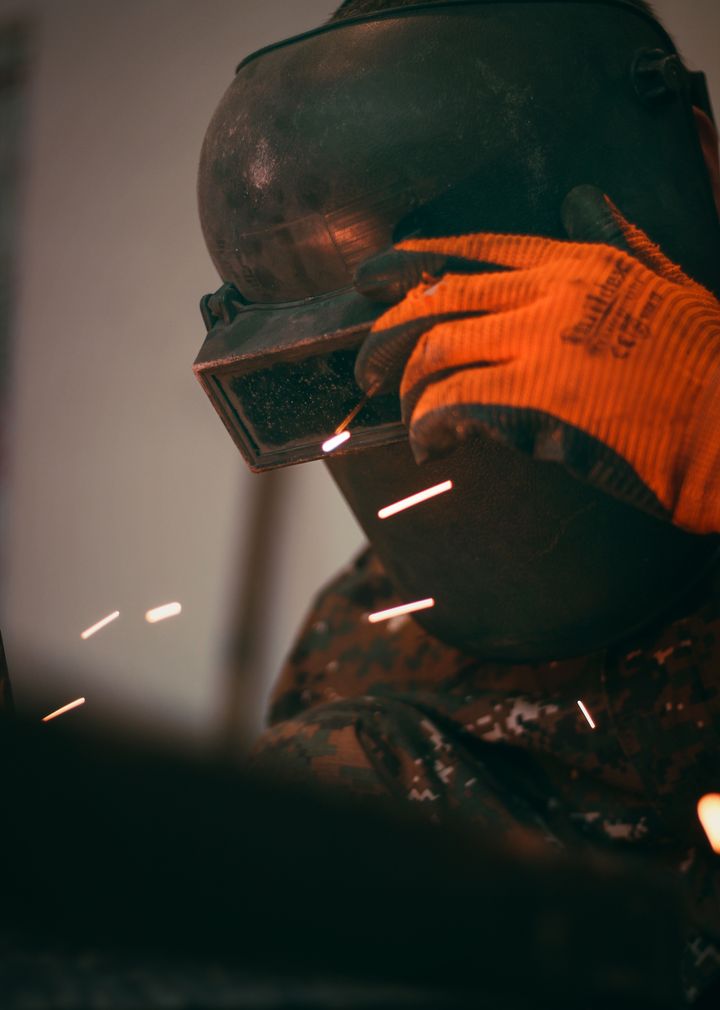
EN 169:2002 is withdrawn; legacy product markings may still be encountered.
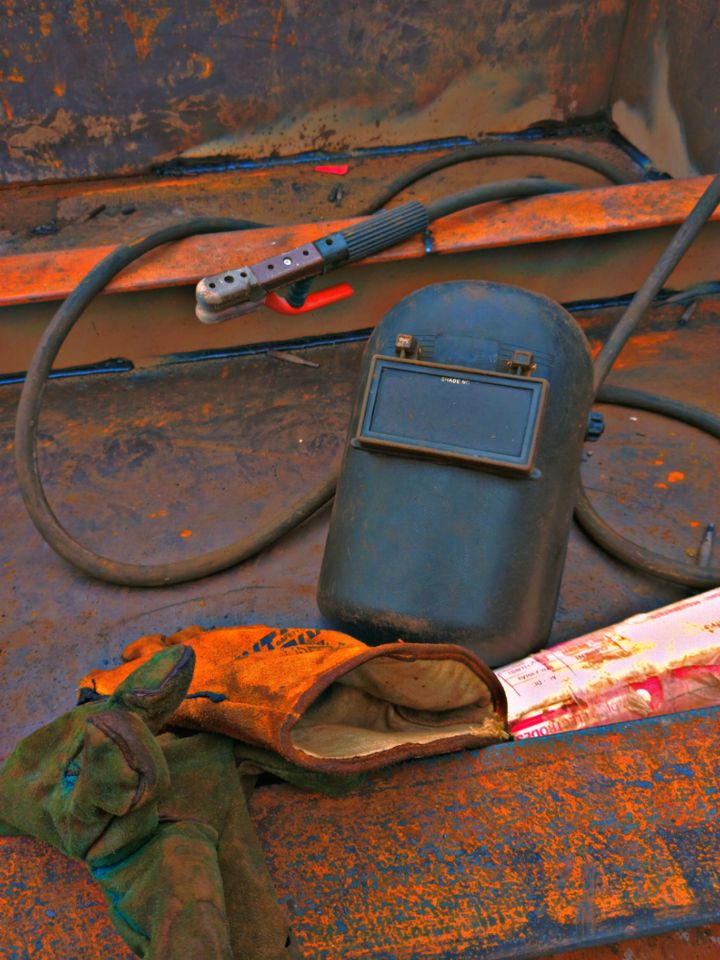
Current specialist standard for new welding eye/face protectors.
SHADEShade/scaleFilter level is selected from manufacturer guidance for process parameters.EN ISO 16321-2Current referenceCurrent welding-protection standard for new products/certification.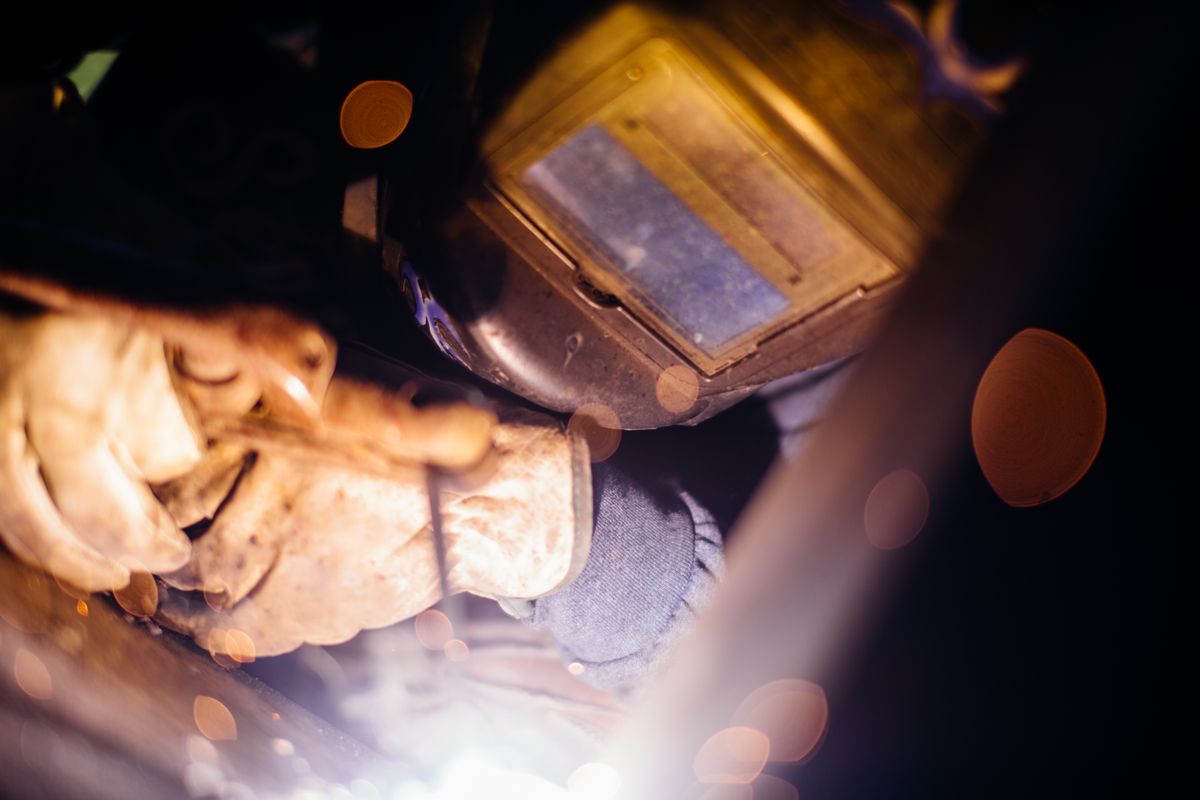
Location varies by manufacturer and design. These are the first places to check; final verification must use the actual product and manufacturer documentation.
The marking should be legible, durable and match the product.
EN 169:2002Withdrawn welding-filter reference
EN ISO 16321-2Current welding-protector standard
Current EN ISO 16321 series must be verified for new products.
Standard status and process parameters require separate checks.
Check manufacturer documentation, EN ISO 16321-2 and process parameters.
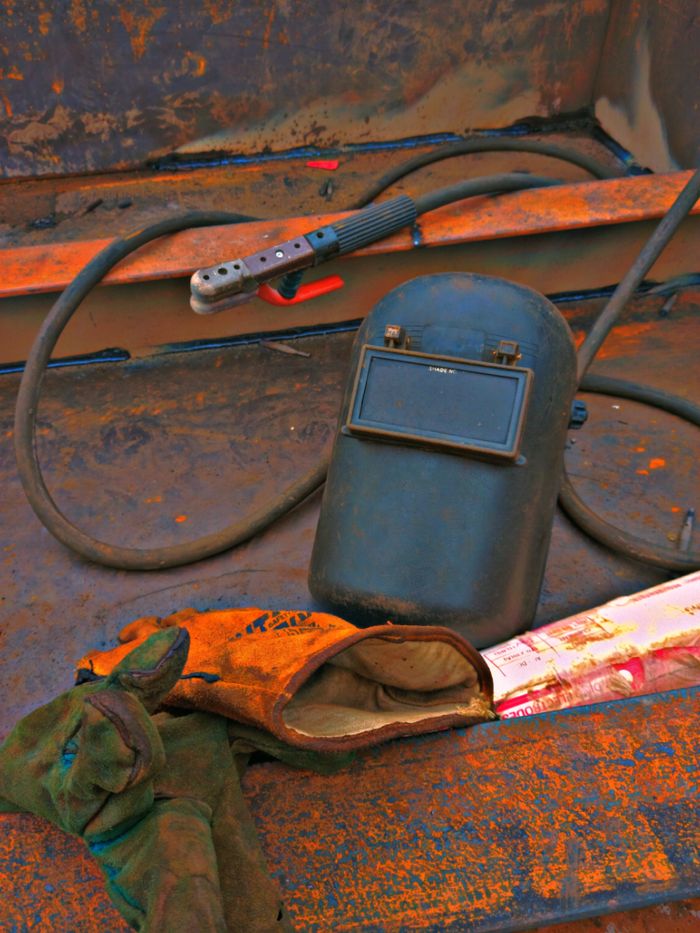
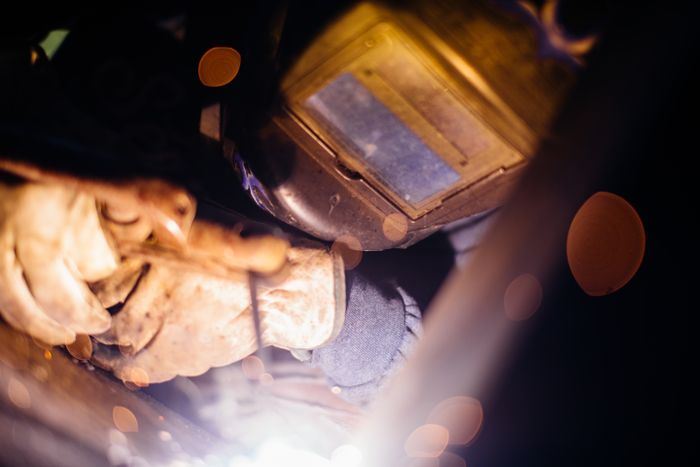
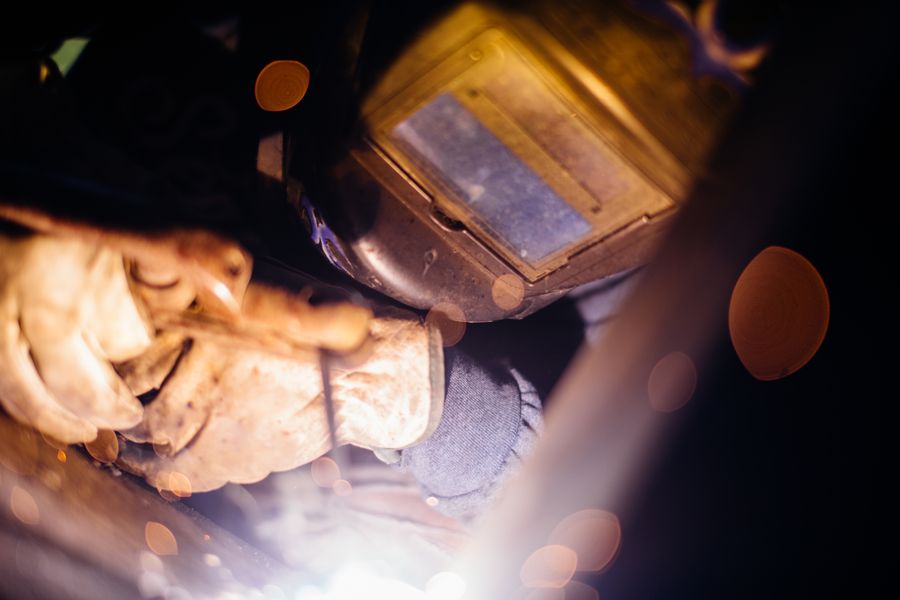
Use for quick pre-checks. It does not replace certification, competent inspection or task-specific risk assessment.
Any scratch, crack or heat damage?
Assuming a filter is current and task-suitable from a legacy shade code.
Check manufacturer documentation, EN ISO 16321-2 and process parameters.
Any scratch, crack or heat damage?
Is shade suitable for the process?
Has the current standard been verified for a new product?